Tensions between the United States and Venezuela have spilled over into electronic warfare, with both nations accused of deliberately jamming satellite navigation signals across parts of the Caribbean Sea. This dangerous escalation, reported by The New York Times, poses a significant and growing risk to civilian air and maritime traffic in the region.
An Electronic Standoff in the Caribbean
The report, published on Saturday, details how the political standoff between US President Donald Trump and Venezuelan President Nicolas Maduro has fueled a surge in radio frequency interference. According to the findings, some US warships deployed to the Caribbean in recent months have been actively jamming Global Positioning System (GPS) signals in their immediate vicinity. This information came from a US official who requested anonymity and was supported by an analysis of data from Stanford University.
Venezuela's Response and the Spreading Disruption
In a tit-for-tat move, Venezuela's armed forces have also engaged in signal blocking. Data from the satellite firm Spire Global revealed that Caracas is disrupting positioning signals around its critical national infrastructure. This includes areas surrounding military bases, oil refineries, and power plants. Venezuelan authorities view these actions as a necessary response to what they describe as mounting military pressure from Washington.

The situation has been exacerbated by the use of similar electronic warfare tactics by both sides. Logan Scott, a radio frequency expert who worked on the first digital GPS receivers in the 1980s, confirmed that the parallel actions have amplified both the range and the intensity of the GPS jamming across the region.
Civilian Safety Takes a Back Seat
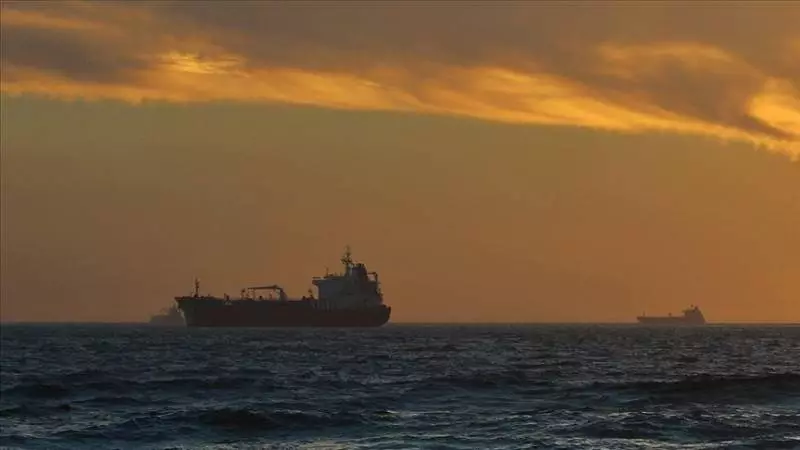
The most alarming consequence of this military posturing is the direct impact on civilian transportation. The report underscores that these GPS interference activities have disrupted signals relied upon by commercial airlines and shipping vessels for safe navigation. The New York Times stated that this increase in signal jamming represents one of the clearest regional effects of President Trump's campaign to pressure the Maduro government.
The Trump administration has defended its naval deployments, which include the aircraft carrier USS Gerald R. Ford, as part of an effort to counter drug trafficking operations it claims are organized by the Venezuelan state. However, the collateral damage from the ensuing electronic conflict now threatens the safety of innocent third parties traversing the Caribbean.