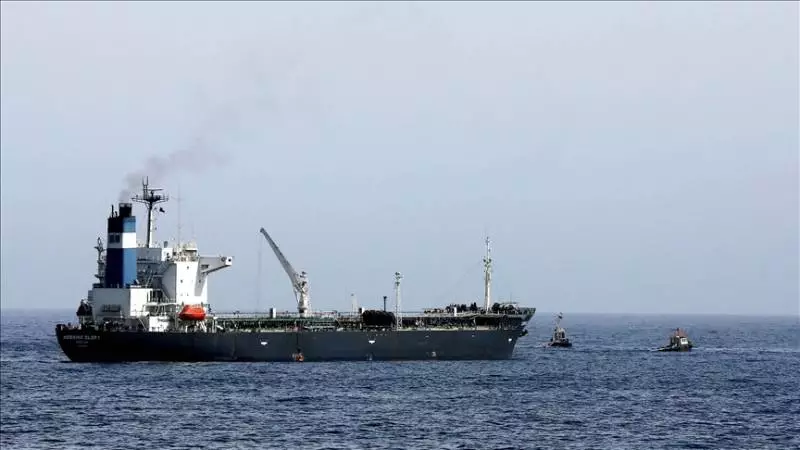
In a significant escalation of its maritime enforcement operations, United States authorities have captured yet another oil tanker in the Caribbean Sea. This marks the sixth such vessel seized within a span of just two months, underscoring a heightened focus on security and smuggling interdiction in these strategic waters.
A Pattern of Interdictions in Key Waters
The latest seizure, confirmed on January 16, 2026, continues a pattern of aggressive action by US agencies. While specific details about the tanker's name, flag, and exact cargo volume from the latest incident were not fully disclosed in the initial report, the consistent targeting points to a major, coordinated campaign. The Caribbean Sea is a critical maritime corridor, and these operations are aimed at disrupting illicit activities, including the unauthorized transport of oil and other commodities.
The frequency of these captures—averaging about one per week over the two-month period—suggests that US intelligence and naval resources are actively monitoring shipping lanes. The operations likely involve a combination of coast guard assets, naval patrols, and surveillance technology to track and intercept suspect vessels.

Implications for Regional Security and Trade
This sustained enforcement drive has broad implications. For regional security, it represents a clear message against smuggling networks that often use complex maritime routes to evade sanctions or move contraband. The crackdown could be linked to efforts to enforce international sanctions on oil exports from certain nations, though the official motives for each seizure may vary.
For legitimate commercial shipping, these actions highlight the increased scrutiny in the region. Ship operators and companies trading in the Caribbean may face more rigorous checks and longer transit times as authorities ramp up inspections. The economic ripple effects could influence global oil markets and shipping insurance premiums for routes passing through this area, especially if the seized cargoes are substantial.
What Comes Next?
The seizure of a sixth tanker is unlikely to be the end of this campaign. Analysts expect US maritime forces to maintain, or even increase, their presence in the Caribbean. The success of these interdictions will depend on continued international cooperation and intelligence sharing with regional partners.
Furthermore, the legal and diplomatic processes following each capture are complex. Determining the final destination of the confiscated oil and the legal fate of the vessels and their crews will be the next steps. These cases often involve lengthy investigations to uncover the networks behind the shipments.
In conclusion, the rapid succession of six tanker seizures in two months signals a new phase of proactive maritime enforcement by the United States in the Caribbean. This policy directly impacts regional security dynamics, international trade routes, and the global effort to combat illicit trafficking by sea. The world will be watching to see if this intense pace of operations continues and what long-term effects it will have on maritime activity in the Western Hemisphere.