US Vice President JD Vance expresses optimism for a new chapter in US-Iran relations
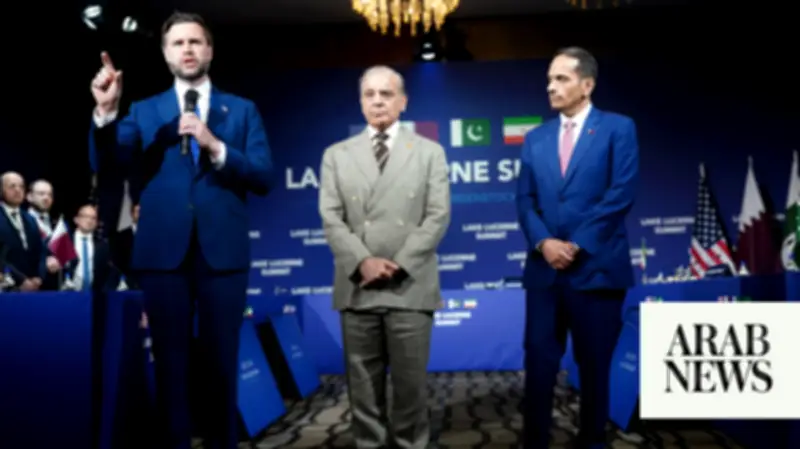
The United States on Sunday expressed hope to 'turn a new leaf' in relations with Iran as senior officials from both countries prepared to meet in Switzerland for Pakistan- and Qatar-mediated talks aimed at permanently ending their conflict. The negotiations, dubbed the 'Lake Lucerne Summit,' follow an interim peace deal signed last week. US Vice President JD Vance and senior Iranian officials are set to formally launch negotiations over Tehran's nuclear program, building on the fragile interim deal to end the war in Iran and keep the Strait of Hormuz open.
60-day sprint to finalize technical details
Top American and Iranian negotiators are in a 60-day sprint to reach an agreement on technical details that hold massive implications for the world economy and global security. Vance said they had already made 'great progress' in the last few hours as the talks kicked off at the Burgenstock luxury hotel complex overlooking Lake Lucerne, Switzerland, with Qatar and Pakistan participating in a mediatory role. 'I expect that we'll make additional progress in the hours to come. What the President [Donald Trump] has asked us to do is turn over a new leaf to transform our relationship with the people of Iran and to extend an outstretched hand that says to the people of Iran that if your leadership is willing to give up being a driver of regional instability, if they are willing to give up nuclear weapons ambitions for the long term, then the United States is willing to fundamentally transform our relationship with that country,' Vance said.
Pakistan Prime Minister expects 'very productive results'
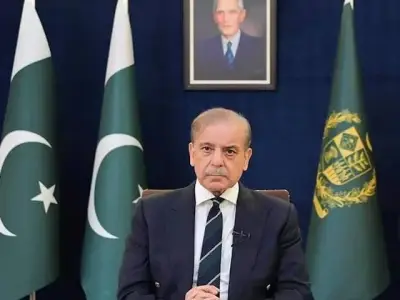
Pakistan Prime Minister Shehbaz Sharif, who has spearheaded the diplomatic push to end the crisis together with Field Marshal Asim Munir, said he expected the discussions to yield 'very productive results.' 'It's really very wonderful to be here, and hopefully, when we go back to our homes, we'll have some wonderful paper in our hand, which will promote peace, progress, and prosperity around the globe,' he said.

Strait of Hormuz closure and Lebanon ceasefire stress-test the agreement
The talks in Switzerland come as the US-Iran agreement is being stress-tested after fighting escalated in Lebanon between Israel and the Iranian-backed Hezbollah group, and by the subsequent announcement by Iran's military that it had again closed the Strait of Hormuz, which transits one-fifth of the world's traded oil and natural gas. A renewed ceasefire in Lebanon, brokered on Saturday, appeared to be holding up. Yet, as the meeting was happening, US President Donald Trump threatened in an online post to strike Iran if it did not 'immediately stop their highly paid PROXIES in Lebanon from causing trouble,' making reference to Hezbollah.
Separate meetings kick off first
Vance first sat down for talks with Pakistani PM Sharif and Field Marshal Munir, who has served as a key intermediary between Washington and Tehran throughout the conflict. 'What's up, man! Good to see you,' Vance said as he warmly greeted Munir, who serves as Pakistan's army chief. Sharif met separately with Iranian Parliament Speaker Mohammad Bagher Qalibaf, who is leading Tehran's delegation, and Foreign Minister Abbas Araghchi. Mediators from Qatar were also on hand at the mountainside resort near Lake Lucerne. Rafael Grossi, chief of the UN nuclear watchdog, the International Atomic Energy Agency, met with Swiss Foreign Minister Ignazio Cassis on the sidelines of the gathering. The agency had monitored the 2015 nuclear deal negotiated between the US and Iran under the Democratic Obama administration. Trump, a Republican, withdrew the US from the agreement in 2018.

Iran's focus on Israel-Hezbollah war
Iran's main focus during the negotiations will be the ongoing war between Israel and Lebanon, Iranian Foreign Ministry spokesman Esmail Baghaei told Iran's state news agency. Iran is insisting that the deal's implementation start with the part that calls for a cessation of all wars, including between Israel and Hezbollah. Baghaei said the US 'has been unable or unwilling' to hold Israel to the ceasefire. Iranian officials were to hold their own meetings with Pakistani and Qatari mediators before a planned four-way meeting that would include the US negotiating team. Iran is cautiously approaching the negotiations given its previous experience with the US negotiations on the nuclear issue, which twice in the past year have been interrupted by massive strikes against the country. 'The implementation of any document is more important than its signing,' Baghaei said Sunday.