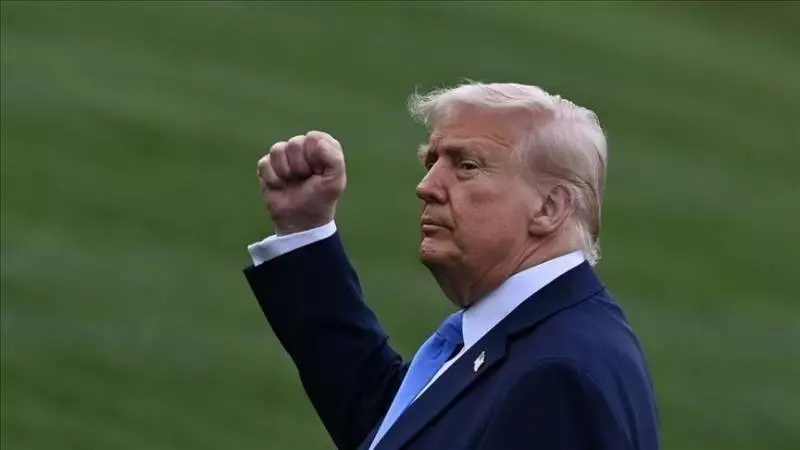
In a groundbreaking announcement that has sent shockwaves across international borders, former United States President Donald Trump has declared a permanent suspension of migration from third world countries to America. This decisive move represents one of the most significant shifts in US immigration policy in recent history.
The Official Declaration and Its Rationale
Speaking at a recent political gathering, Trump articulated that this permanent measure aims to protect American national security and economic interests. The former president emphasized that the United States would no longer accept migrants from nations classified as third world countries, marking a complete departure from previous temporary restrictions.
This announcement comes against the backdrop of ongoing debates about immigration reform in the United States. Trump justified the policy by stating that it would prevent potential security threats and protect American jobs from what he described as "uncontrolled migration." The policy shift indicates a fundamental change in how the US government approaches immigration from developing nations.

Global Implications and International Response
The permanent migration pause is expected to have far-reaching consequences for international relations and global mobility patterns. Countries across Asia, Africa, and Latin America may face significant challenges in accessing US migration channels for their citizens seeking education, employment, or family reunification.
International organizations and human rights groups have already begun expressing concerns about the humanitarian impact of such a sweeping policy. The announcement has sparked debates about the definition of "third world countries" and whether such classifications remain relevant in contemporary global politics.
Diplomatic circles are closely monitoring how this decision might affect US relationships with allied nations and strategic partners in the developing world. Many experts predict that countries traditionally sending large numbers of migrants to the United States will need to reassess their diplomatic and economic strategies.
Potential Impact on Pakistani Communities
For Pakistan and its diaspora communities, this policy announcement carries particular significance. Thousands of Pakistani families with members seeking to migrate to the United States now face uncertain futures and potentially permanent separation from relatives.
The Pakistani-American community, which has historically maintained strong cultural and economic ties with both countries, may experience disruptions in family reunification processes. Students planning to pursue higher education in American institutions, professionals seeking employment opportunities, and families awaiting visa processing now confront unprecedented challenges.
Economic implications are also substantial, as remittances from Pakistani expatriates in the United States constitute a significant portion of the country's foreign exchange earnings. Any reduction in migration opportunities could potentially impact this crucial financial flow.
Government officials in Islamabad are likely to engage in diplomatic discussions to clarify the policy's specific implications for Pakistani citizens and explore potential exemptions or alternative arrangements.
As the international community continues to process this dramatic policy shift, millions of potential migrants worldwide must reconsider their future plans and aspirations. The permanent nature of this migration pause suggests that the United States is fundamentally restructuring its approach to global mobility and international relations with developing nations.