Vance Optimistic After US-Iran Talks in Switzerland
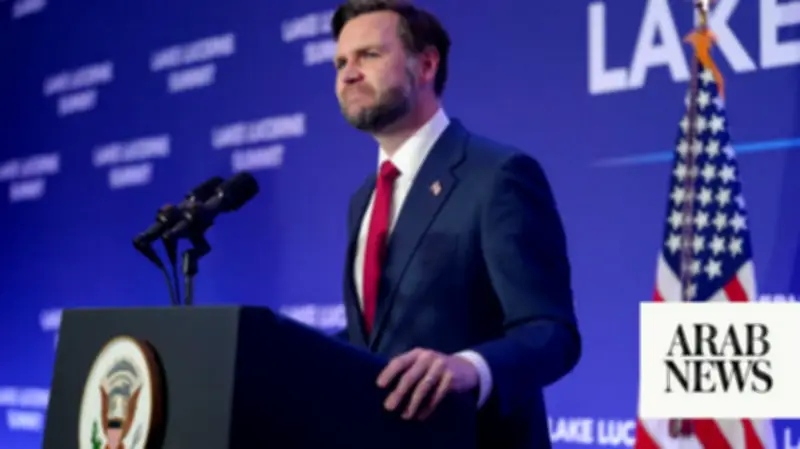
US Vice President JD Vance stated on Monday that high-level talks with Iranian officials at the Bürgenstock Resort in Switzerland have established a 'good foundation' for a comprehensive peace agreement. The discussions, mediated by Pakistan and Qatar, aimed to build upon an interim deal signed the previous week and address ongoing tensions over the Strait of Hormuz and the conflict in Lebanon.
Roadmap to Permanent Agreement
Both sides agreed to a roadmap toward a permanent agreement within 60 days, according to mediators from Pakistan and Qatar. They also reached a mechanism to end hostilities in Lebanon between US ally Israel and Iran-aligned Hezbollah, and established a communications line to ensure safe passage for commercial vessels through the Strait of Hormuz, a critical global oil supply route.
Vance Highlights Key Concessions
Vance reported that Tehran agreed to allow nuclear inspectors from the International Atomic Energy Agency (IAEA) to resume inspections, establish mechanisms to handle its frozen assets abroad, and manage ceasefires. Since the US bombed Iran's nuclear facilities in June 2025, Iran had only permitted inspections of facilities not attacked, and inspections halted entirely after the US-Israeli strikes on February 28. 'We laid a very good foundation for a successful final deal,' Vance told reporters.

Trump's Threats and Iran's Response
Vance downplayed tensions following President Donald Trump's threat on Sunday to restart the war after Iran again closed the Strait of Hormuz, citing Washington's failure to halt fighting in Lebanon. 'There was a little bit of threatening, there was a little bit of whining, but at the end of the day the talks continued and we made great progress,' Vance said. Iranian Foreign Minister Abbas Araqchi stated on social media that Tehran secured waivers for oil and petrochemical exports, release of frozen assets, and a reconstruction plan.
Financial Mechanisms and Oil Prices
Vance noted that White House envoy Jared Kushner proposed a process where the US and Qatar would control Iranian funds when unfrozen, ensuring the money is spent on US corn, soy, and wheat. The US Treasury Department issued a general license on Monday authorizing the production, delivery, and sale of Iranian-origin crude oil and petrochemical products through August 21. Oil prices, which had risen sharply after Iran blockaded the Strait of Hormuz, fell after the interim deal and dipped further on Monday, with Brent crude trading below $80 per barrel.
Technical Talks and Ceasefire in Lebanon
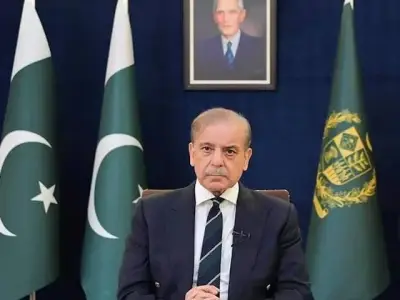
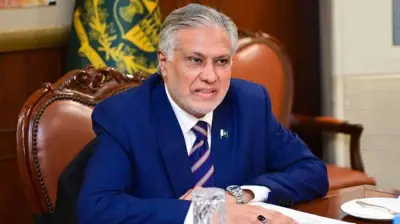
Technical talks are scheduled to continue for the rest of the week. Pakistani Prime Minister Shehbaz Sharif wrote on X that the first round 'concluded successfully' with discussions in a 'positive and constructive atmosphere.' Violence in Lebanon has abated since late Saturday; Israel's last airstrike was on Saturday evening, and the Israeli military lifted safety restrictions in eight communities near the Lebanese border. Lebanese President Joseph Aoun discussed ceasefire efforts with Vance, Qatar's prime minister, and Kushner.
Strait of Hormuz Traffic Resumes
Despite Iran's weekend closure of the Strait of Hormuz, ship tracking data showed two crude tankers carrying nearly 2 million barrels of oil sailed through on Monday, signaling a gradual resumption of traffic, though still a fraction of the pre-war average of 125 vessels per day. Israeli President Isaac Herzog stated Israel is not opposed to a diplomatic end to the war but insisted any deal must prevent Iran from using received funds for military purposes or supporting regional proxies.