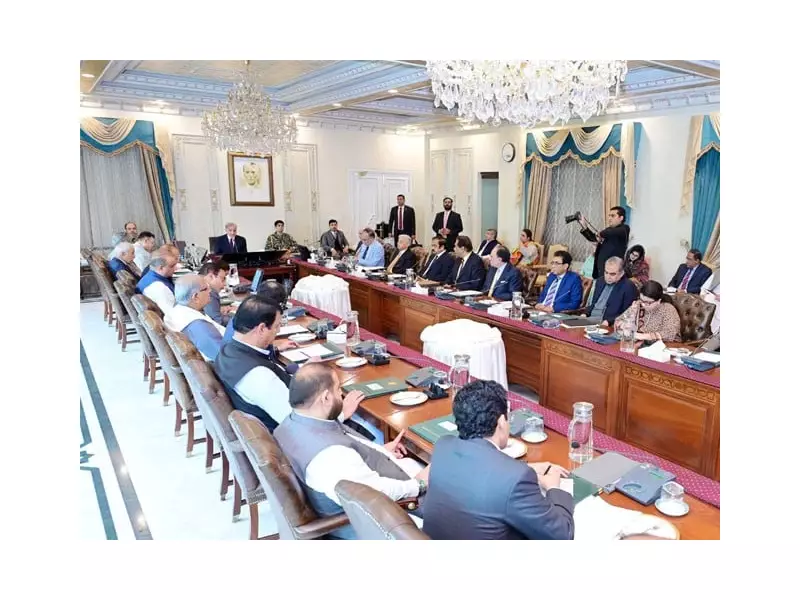
The federal cabinet, in a significant move to reform public purchasing, has given its formal approval to a set of amendments to the Public Procurement Regulatory Authority (PPRA) Ordinance, 2002. The decision was taken during a cabinet meeting chaired by Prime Minister Shehbaz Sharif, marking a step towards modernizing the country's procurement framework.
Key Amendments and Rationale
The approved amendments introduce several crucial changes designed to address long-standing issues in the procurement process. A major focus is on promoting Pakistan's domestic industry and manufacturing sector. To this end, the amendments include provisions for enhanced price preference for local manufacturers and suppliers. This measure is intended to stimulate local economic activity and reduce reliance on imported goods where viable domestic alternatives exist.
Furthermore, the changes aim to simplify and expedite procurement procedures for both federal and provincial entities. By reducing bureaucratic hurdles, the government hopes to accelerate development projects and improve the efficiency of public spending. The amendments also seek to bolster transparency and accountability within the system, addressing concerns about fairness and corruption in public contracts.

Background and Legislative Journey
The push to amend the PPRA Ordinance has been underway for some time. The cabinet's approval follows a review and recommendation by the Cabinet Committee for Disposal of Legislative Cases (CCLC). This committee scrutinized the proposed changes before forwarding them for final cabinet consent.
It is important to note that these amendments pertain specifically to the PPRA Ordinance, 2002, which governs procurement at the federal level. The approval paves the way for the next step in the legislative process, where the amendments will be presented to the Parliament for enactment into law.
Implications and Expected Outcomes
The government anticipates that the revised procurement rules will yield multiple benefits. By favoring local industry, the policy aligns with broader economic goals of import substitution and strengthening the national industrial base. This could lead to job creation and increased investment in local production facilities.
For government departments and agencies, the streamlined procedures are expected to cut delays, enabling faster completion of infrastructure and development projects. The emphasis on transparency is also a direct response to calls from businesses and international observers for a more open and predictable procurement environment in Pakistan.
In essence, the cabinet's decision represents an effort to use regulatory reform as a tool for economic stimulation and governance improvement. The success of these amendments, however, will ultimately depend on their effective implementation and enforcement once they are passed by the Parliament.