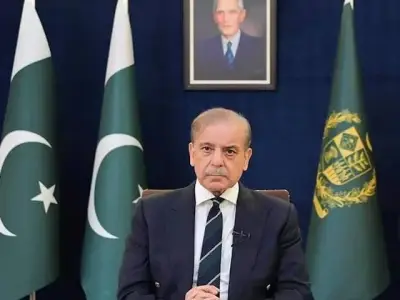
A significant conference held in Islamabad has brought the critical issue of anti-corruption reforms back into the national spotlight. The event, organized by the National Accountability Bureau (NAB), gathered experts, officials, and stakeholders to deliberate on strengthening Pakistan's framework for combating corruption and promoting good governance.
Key Proposals for Strengthening Accountability
The conference served as a platform for presenting concrete proposals aimed at overhauling the current system. A major focus was on enhancing the effectiveness and credibility of accountability institutions themselves. Participants stressed the need for these bodies to operate with greater transparency and fairness to build public trust. The discussion highlighted that reforms must ensure these institutions are not used as tools for political engineering or victimization, but rather as impartial arbiters of justice.
Another critical area addressed was the prevention of corruption. Experts argued that while punishing corrupt acts is necessary, a more sustainable approach involves creating systems that prevent corruption from occurring in the first place. This includes simplifying government procedures, reducing discretionary powers of officials, and leveraging technology to minimize human intervention in public service delivery. The integration of digital solutions was seen as a key step towards reducing opportunities for graft.

Institutional Reforms and Legal Framework
The moot thoroughly examined the existing legal and institutional mechanisms. There was a consensus on the necessity of updating laws to close loopholes that allow corrupt individuals to evade justice. Strengthening the prosecution process to ensure timely and effective trials was identified as a priority. Furthermore, the conference emphasized the importance of inter-institutional coordination. Seamless cooperation between NAB, the Federal Investigation Agency (FIA), anti-corruption establishments in the provinces, and other relevant bodies is crucial for a unified national effort.
Speakers also pointed to the role of public awareness and citizen engagement. An informed and vigilant citizenry that actively reports corruption and demands accountability was described as a powerful deterrent. Proposals included launching public awareness campaigns and creating safer, more accessible channels for whistleblowers to come forward with information without fear of reprisal.
The Path Forward for Pakistan
The Islamabad conference concluded with a clear message: the fight against corruption requires a persistent, multi-pronged strategy. It is not a battle that can be won with sporadic actions but demands consistent political will, robust institutions, and active societal participation. The reforms discussed aim to move Pakistan towards a system where transparency is the norm and public resources are safeguarded for national development.
The outcomes of this conference are expected to inform policy discussions and potentially shape future legislative actions. The emphasis on systemic change and prevention marks a potential shift in strategy, aiming to build a more resilient and corruption-resistant governance structure for the country.