In a significant development for a high-profile case, the Punjab Forensic Science Laboratory (PFSL) has officially verified the visual presence of Khyber Pakhtunkhwa Chief Minister Sohail Afridi and several other political figures in video footage related to the May 9 unrest in Peshawar.
Court-Directed Forensic Scrutiny
According to official sources, the comprehensive forensic examination was conducted on the specific directives of an Anti-Terrorism Court (ATC). The court had ordered a detailed analysis as part of the ongoing investigation into the Radio Pakistan attack case. Following the judicial order, the Peshawar police submitted digital evidence, including a USB device containing 16 video clips, to the PFSL for technical scrutiny.
The laboratory undertook a meticulous, frame-by-frame visual and technical analysis of all submitted material. The forensic team reported that a number of the videos showed no signs of tampering or manipulation. However, some clips were found to contain added logos or on-screen text that was not part of the original recording.

Key Findings on Video Authenticity
The forensic report highlighted specific findings regarding two videos. It noted that clips associated with Chief Minister Sohail Afridi and another individual, Irfan Saleem, displayed indications of clip splicing. Despite these edits, forensic experts proceeded with a comparative visual identification process.
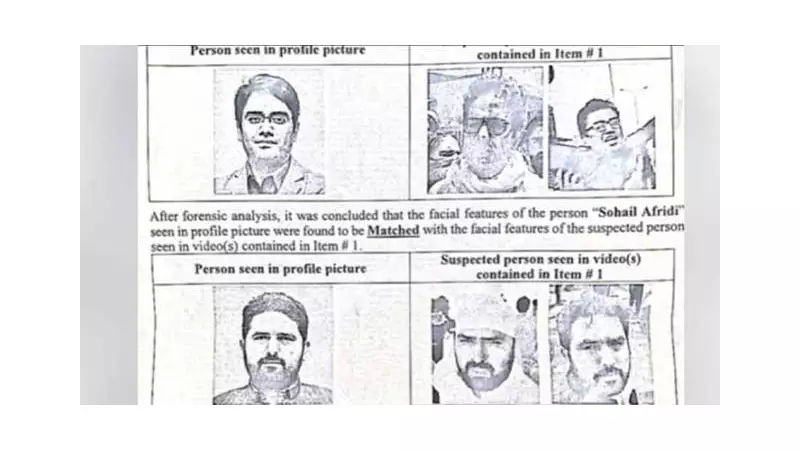
This process involved matching the individuals visible in the May 9 footage with publicly available profile photographs obtained from social media platforms. The comparative analysis yielded conclusive matches for multiple figures.
The report confirmed that the person appearing in the videos is a visual match for KP Chief Minister Sohail Afridi. Similar visual consistency was successfully established for Irfan Saleem, Kamran Bangash, and Taimur Jhagra, confirming their presence in the footage.
Scope and Submission of the Report
The PFSL clarified that its assessment was strictly limited to analyzing the visual content of the videos. The laboratory did not conduct any audio analysis or evaluate other forms of evidence. Importantly, the report provides no legal or political interpretation of its findings, sticking solely to the technical forensic conclusions.
Officials disclosed that the intensive forensic process was carried out over a five-day period, from December 19 to December 23, 2025. Law enforcement authorities have indicated that the completed forensic report has been, or will imminently be, formally submitted to the concerned Anti-Terrorism Court. This submission will form a crucial part of the ongoing legal proceedings.
This development arrives amid continued legal and political debate surrounding the events of May 9. The forensic report is now expected to play a pivotal role as evidence in the court's proceedings, potentially influencing the direction of the case.