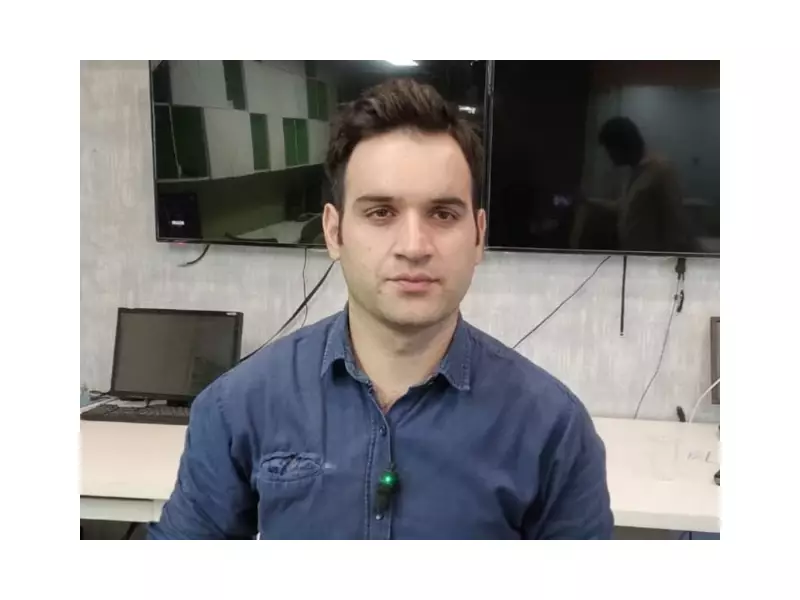
In a significant development that has captured national attention, journalist Sohrab Barakat has been handed a four-day physical remand by an anti-terrorism court in connection with the National Counter-Crimes Agency (NCCIA) case. The decision came during a court hearing that has raised serious questions about press freedom and legal procedures in Pakistan.
Court Proceedings and Remand Decision
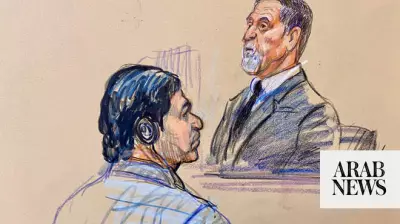
The anti-terrorism court presided over by Judge Muhammad Ali Waraich made the ruling after hearing arguments from both sides. The National Counter-Crimes Agency sought an extended physical remand of the journalist, while Barakat's legal team opposed the request vehemently. Despite defense objections, the court granted the investigating agency four days of physical custody for further interrogation.
The physical remand period began immediately following the court's decision, meaning Barakat will remain in NCCIA custody for the next four days. During this time, investigators will have the authority to question the journalist extensively about the allegations against him. The defense counsel had argued that their client had already cooperated fully with the investigation and that further physical remand was unnecessary.

Background of the Case
Sohrab Barakat, a working journalist known for his reporting on sensitive matters, faces serious allegations brought forward by the National Counter-Crimes Agency. While specific details of the charges remain somewhat unclear, the case appears to involve matters related to cyber crimes and national security concerns. The NCCIA, which operates as Pakistan's premier investigation agency for serious crimes, has been pursuing this case with considerable determination.
The agency claims to have substantial evidence against the journalist, though the exact nature of this evidence has not been fully disclosed to the public. Legal experts following the case suggest that the allegations might be connected to Barakat's professional work as a journalist, particularly his reporting on matters that authorities consider sensitive to national interests.
Legal Context and Implications
The decision to place a journalist on physical remand in an anti-terrorism court has sparked debate within legal and media circles. Physical remand allows investigating agencies to keep a suspect in their custody rather than judicial lock-up, enabling more extensive questioning. However, this practice has often been criticized by human rights organizations who express concerns about potential misuse and treatment of detainees.
Barakat's legal team has indicated they will continue to fight the case vigorously. They maintain that their client is being targeted for his professional work and that the charges lack substantial foundation. The defense has also raised questions about the jurisdiction of the anti-terrorism court in this matter, suggesting that the case doesn't meet the legal threshold for terrorism-related proceedings.
Media organizations and press freedom advocates have expressed alarm over the development. Many see this as part of a broader pattern of increasing pressure on journalists in Pakistan, particularly those who report on security matters or criticize government policies. The international community has also begun taking notice of the case, with several global press freedom organizations monitoring the situation closely.
What Comes Next
Following the completion of the four-day physical remand period, Barakat will be produced before the court again. At that hearing, the NCCIA will need to present its findings from the interrogation period and make a case for either further remand or formal charges. The defense will have the opportunity to argue for their client's release on bail or dismissal of the case entirely.
The outcome of this case could have significant implications for press freedom in Pakistan. If the court ultimately dismisses the charges or grants bail, it would be seen as a victory for media rights. However, if the case proceeds to trial, it could set a concerning precedent for how journalists are treated when their reporting touches on sensitive national security matters.

Meanwhile, Barakat's family and colleagues have expressed concern about his wellbeing during the remand period. They have called for transparent legal proceedings and have urged that the journalist's fundamental rights be protected throughout the investigation. The Pakistan Federal Union of Journalists has also taken note of the case and is providing legal assistance to ensure Barakat receives proper representation.
As the four-day remand period progresses, all eyes remain on the anti-terrorism court and the National Counter-Crimes Agency. The coming days will be crucial in determining the direction of this high-profile case that sits at the intersection of national security concerns and press freedom rights in Pakistan.