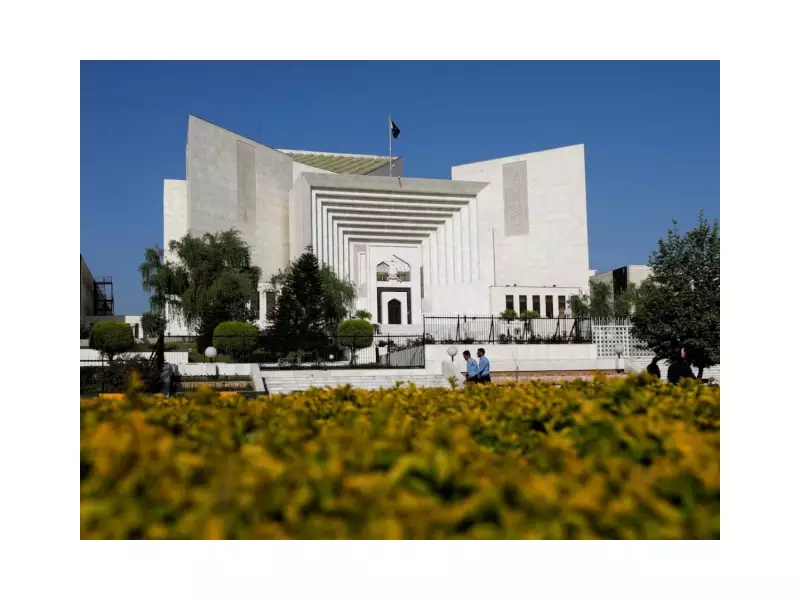
In a significant administrative overhaul, the Supreme Court of Pakistan has orchestrated a major reshuffle within the country's bureaucracy, affecting numerous high-ranking officials across key government positions.
The Establishment Division, which serves as the central authority for civil service appointments, has issued formal notifications confirming the transfers and postings of 13 senior bureaucrats. This sweeping reorganization represents one of the most substantial bureaucratic realignments in recent months.
Key Appointments and Transfers
Among the most notable changes, Raja Shehzad Khan, previously serving as the Secretary of the Interior Division, has been appointed as the new Secretary of the National Food Security and Research Division. This critical position places him at the helm of Pakistan's agricultural and food security policies.

Meanwhile, Kamran Ali Afzal, who held the position of Secretary for the Establishment Division, has been reassigned to lead the Interior Division. This move places one of the government's most experienced administrators in charge of internal security and domestic affairs.
Additional Significant Postings
The reshuffle extends across multiple important departments:
- Muhammad Shoaib, previously with the Federal Board of Revenue, now assumes the role of Secretary for the Overseas Pakistanis Division
- Nadeem Mahbub takes charge as Chairman of the Capital Development Authority
- Several other senior officers have been reassigned to new positions across various federal departments
Administrative Implications
This comprehensive bureaucratic reorganization comes at a crucial time for Pakistan's administrative machinery. The changes affect multiple key divisions responsible for critical national functions including internal security, food security, and overseas Pakistani affairs.
The Supreme Court's involvement in this reshuffle underscores the judiciary's continued interest in ensuring efficient and effective governance structures. Such high-level administrative changes typically aim to place the most qualified individuals in positions where they can maximize their expertise and experience.
As these newly appointed officials settle into their roles, the impact of these changes on policy implementation and administrative efficiency will be closely monitored by government observers and stakeholders alike.