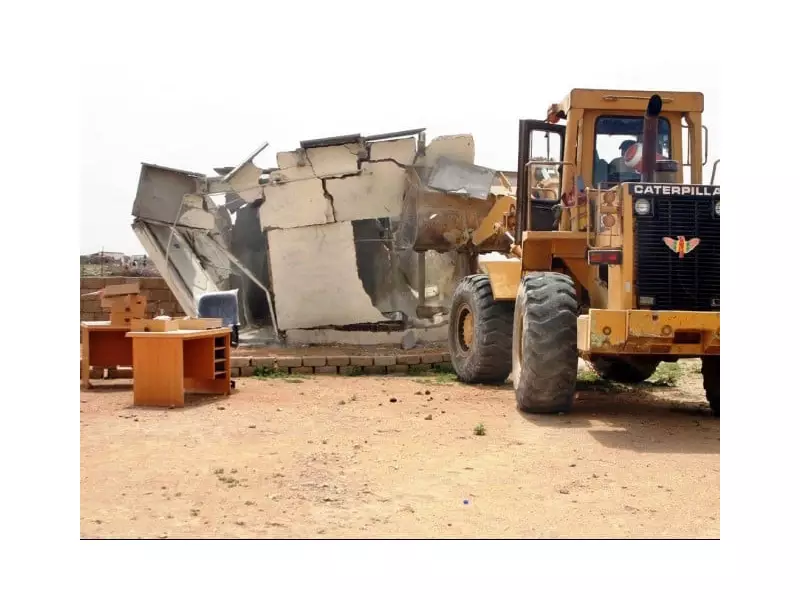
The Federal Cabinet Committee (FCC) has taken serious notice of widespread encroachments on railway land across Pakistan, directing relevant authorities to immediately submit a comprehensive report on the illegal occupations. The committee has demanded urgent action to reclaim state property that has been systematically taken over by unauthorized occupants.
Government Takes Strict Action Against Illegal Occupations
During a crucial meeting held in Islamabad, the FCC expressed grave concern over the massive scale of encroachments on valuable railway property. The committee directed the Ministry of Railways and other concerned departments to compile and present a detailed assessment report outlining the current status of encroached lands, the identity of occupants, and proposed recovery strategies.
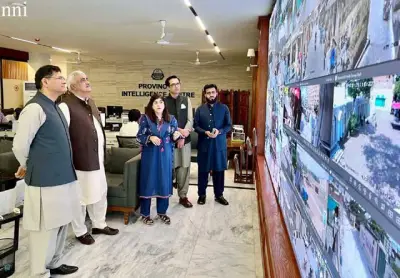
The meeting was chaired by the Federal Minister for Railways and attended by senior officials from multiple government departments. Participants discussed the alarming rate at which railway land has been illegally occupied over the years, causing significant financial losses to the national exchequer and hampering the development of railway infrastructure.

Nationwide Survey of Railway Property
Authorities have been instructed to conduct a thorough survey of all railway land across the country to determine the exact extent of illegal occupations. The survey will identify prime railway properties that have been encroached upon in major cities including Karachi, Lahore, Rawalpindi, and Peshawar, where land values have skyrocketed in recent years.
According to preliminary estimates, thousands of acres of valuable railway land remain under illegal occupation despite previous recovery efforts. The encroachments range from small-scale temporary structures to large permanent commercial establishments that have been operating without legal authorization for decades.
The committee emphasized that the recovery of railway land is essential for several ongoing and planned development projects. Pakistan Railways requires clear land titles to proceed with modernization initiatives, including the Main Line-1 (ML-1) project under the China-Pakistan Economic Corridor (CPEC), which aims to revolutionize the country's rail infrastructure.
Legal Framework and Enforcement Measures
The FCC has directed law enforcement agencies to provide necessary support to railway authorities in their anti-encroachment operations. The committee stressed the importance of following proper legal procedures while ensuring that no political interference hinders the recovery process.
Legal experts have been tasked with reviewing existing laws and regulations concerning railway land protection. The committee is considering proposing amendments to strengthen legal provisions against land grabbers and ensure stricter penalties for those involved in illegal occupations.
Previous anti-encroachment campaigns have faced numerous challenges, including resistance from occupants, lengthy legal battles, and administrative hurdles. The current initiative aims to address these issues through a coordinated approach involving multiple government agencies and improved monitoring mechanisms.
Economic Impact and Future Plans
The recovery of encroached railway land is expected to generate substantial revenue for Pakistan Railways, which has been struggling financially for years. Prime railway land in urban centers holds significant commercial potential that could be leveraged to improve the organization's financial sustainability.
The committee has discussed various utilization plans for recovered land, including commercial development through public-private partnerships, construction of modern railway facilities, and residential projects for railway employees. These initiatives are projected to create new revenue streams while addressing the housing needs of railway staff.
The FCC has set a strict timeline for the submission of the comprehensive report and expects to see concrete action against encroachers within the coming months. Regular follow-up meetings will monitor progress and address any obstacles in the implementation of the anti-encroachment drive.

This renewed focus on reclaiming railway property reflects the government's broader commitment to protecting state assets and ensuring their optimal utilization for national development. The success of this initiative could set a precedent for similar actions against encroachments on other government properties across the country.