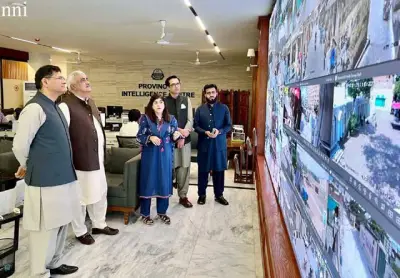
In a significant move aimed at streamlining governance and improving public service delivery, the Punjab government has announced a major restructuring of its administrative machinery. The provincial cabinet, chaired by Chief Minister Maryam Nawaz Sharif, has given the green light to merge nine existing departments into a single, consolidated entity.
Consolidation for Enhanced Efficiency
The decision, taken during a cabinet meeting, will see the dissolution of nine separate departments and their functions absorbed into a newly formed body. This new department will be known as the Food Safety and Consumer Protection Department. The primary objective behind this consolidation is to eliminate bureaucratic redundancies, reduce operational costs, and create a more responsive and efficient administrative structure for the citizens of Punjab.
The departments slated for merger include the Punjab Food Authority, along with several other bodies whose functions are closely related to food regulation, standards, and consumer rights. By bringing these overlapping mandates under one roof, the government aims to create a more powerful and focused regulatory authority.

Rationale and Expected Outcomes
The cabinet's approval follows recommendations from a high-level committee that was tasked with reviewing the provincial administration's structure. The committee identified significant areas of overlap and duplication of efforts among the nine departments. This fragmentation was often cited as a cause for delayed decision-making and ineffective implementation of policies, particularly in the critical areas of food safety and consumer protection.
The newly established Food Safety and Consumer Protection Department is expected to wield greater authority and have clearer lines of command. This consolidation is anticipated to lead to faster resolution of public complaints, more robust market inspections, and stricter enforcement of quality standards for food items and other consumer goods. The government believes that a unified department will be better equipped to tackle issues like adulteration, hoarding, and unfair market practices.
Implementation and Future Steps
With the cabinet's formal approval secured, the provincial administration will now move to the implementation phase. This process will involve the complex task of integrating the staff, budgets, assets, and ongoing projects of the nine former departments into the new single entity. The government has assured that the rights of existing employees will be protected during this transition.
Officials indicate that the restructuring is a key part of the provincial government's broader agenda to reform governance and improve the ease of living for citizens. By creating a more streamlined and accountable system, the Punjab government hopes to set a new benchmark for administrative efficiency in the country. The success of this initiative will be closely watched, as it could serve as a model for similar reforms in other sectors and provinces.
The move underscores Chief Minister Maryam Nawaz Sharif's administration's focus on pragmatic governance and structural reform. It represents a decisive step away from a bloated administrative past towards a leaner, more purpose-driven model aimed at delivering tangible benefits to the people of Punjab.