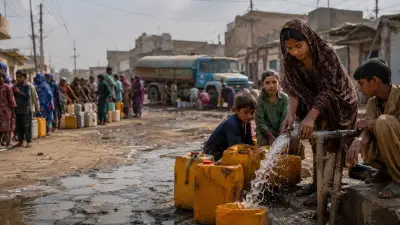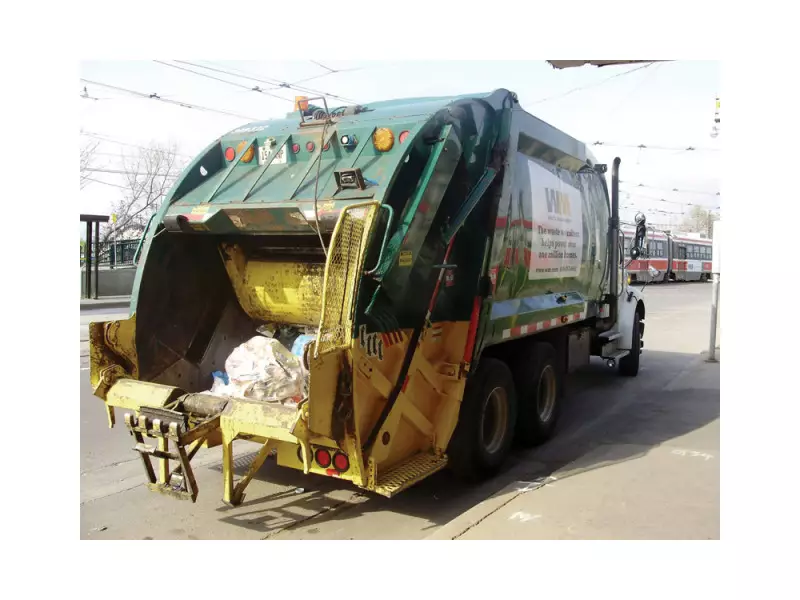
Negotiations aimed at implementing a new household and commercial waste-cleaning tax in Rawalpindi have reached a dead end. The Excise, Taxation & Narcotics Control Department (ETNCD) and the Punjab Waste Management Company (PWMC) could not finalize an agreement, leaving the proposed tax structure in limbo.
Collapse of Waste Tax Proposal
The proposed arrangement would have seen households charged a fee ranging from Rs300 to Rs1,000. Commercial establishments, including shops, were slated to pay between Rs1,000 and Rs3,000. However, the deal fell apart because the Excise Department refused to accept the collection fee offered by the PWMC, deeming it too low and insufficiently profitable for the service provided. With both sides at an impasse, the matter is now expected to be escalated to the Chief Minister of Punjab for a final decision.
Property Tax Recovery Faces Major Hurdles
Meanwhile, the Excise Department is grappling with significant challenges in meeting its property tax recovery targets across the Rawalpindi Division. Despite aggressive campaigns, the overall performance remains weak. In a stark example, the Excise Office in Jhelum recorded zero recovery, a failure that has drawn strict notice from the Director-General and may lead to administrative transfers.

Efforts have been intensified in Rawalpindi District, where authorities launched operations against chronic defaulters of property, commercial, and professional taxes. These actions led to the sealing of 393 property units and the recovery of Rs7.8 million. While Excise Zones I to V have accelerated recoveries, the cumulative receipts have not yet crossed 50% of the annual targets. The Rawalpindi Office currently faces a substantial 54% shortfall in property tax collection.
Motor Branch Shines Amidst Struggles
In contrast to the property tax woes, the Motor Branch of the Excise Department has delivered a standout performance. For the current financial year starting July 1, 2025, the branch was given a target of Rs2 billion for motor-vehicle registration, transfer, and related taxes. Remarkably, within just the first six and a half months, it has already recovered Rs1.62 billion. Based on this strong trajectory, officials expect recoveries to exceed the full annual target well before the deadline of June 30.
The situation presents a mixed picture for the Excise Department: a stalled initiative for a new revenue stream in waste tax, persistent difficulties in property tax collection, but robust success in the motor vehicle tax domain. The resolution of the waste tax issue now rests with higher authorities.