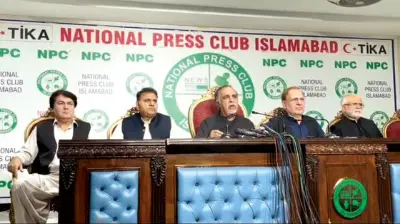
Pakistan's political landscape witnessed significant developments as major opposition parties staged a complete boycott of the National Assembly session on November 11. The coordinated absence of opposition members has raised serious questions about the functioning of parliamentary democracy in the country.
Complete Opposition Absence from Parliamentary Proceedings
The National Assembly convened for its regular session with notably empty opposition benches. All major opposition parties deliberately abstained from attending the proceedings, marking one of the most significant parliamentary boycotts in recent times. The absence was particularly conspicuous during important discussions and legislative matters scheduled for the day.
Sources close to the opposition parties confirmed that the boycott was a strategic decision made collectively by opposition leadership. The move represents a coordinated protest against what opposition members describe as "undemocratic practices" and "marginalization of opposition voices" in parliamentary affairs.

Political Implications and Parliamentary Impact
The mass boycott has immediate consequences for legislative business. Several important bills and discussions that required cross-party input and debate were affected by the absence of opposition representation. Parliamentary experts note that such boycotts undermine the democratic process and hinder the proper functioning of legislative institutions.
The timing of this protest action is particularly significant, coming at a time when the government was expected to present important policy matters for discussion. The empty opposition benches have changed the dynamics of parliamentary proceedings, with government members having to conduct business without the customary checks and balances provided by a present opposition.
Broader Political Context and Future Scenarios
This boycott occurs against the backdrop of ongoing political tensions between the ruling coalition and opposition parties. Political analysts suggest that the opposition's strategy aims to draw attention to their grievances and potentially force negotiations on their terms. However, the effectiveness of such tactics remains subject to debate among political observers.
The development raises important questions about the future of parliamentary politics in Pakistan. Will this boycott become a sustained strategy, or is it a temporary protest measure? How will the government respond to this challenge to parliamentary norms? These questions remain unanswered as political stakeholders assess their next moves.
What remains clear is that the November 11 parliamentary session has become a significant moment in Pakistan's current political timeline, potentially setting precedents for how political conflicts manifest within legislative institutions moving forward.