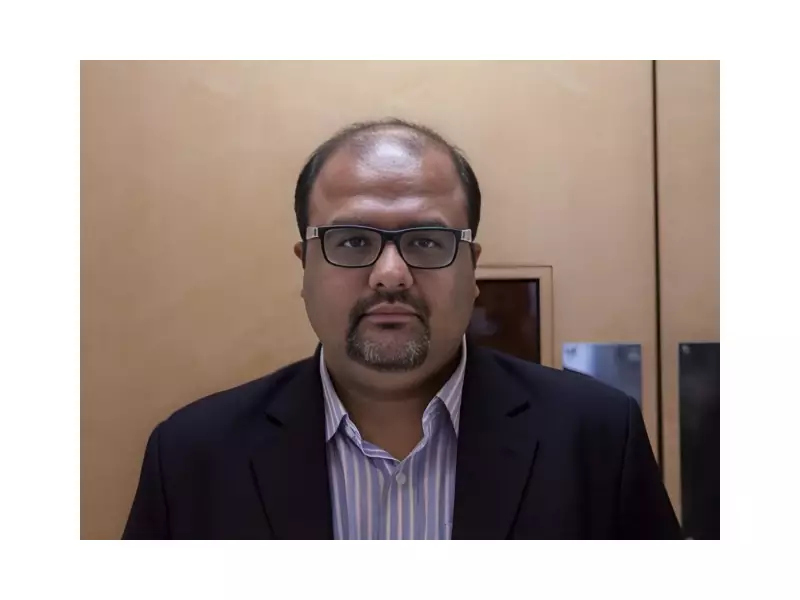
Shahzad Akbar, the former Special Assistant to the Prime Minister on Accountability, has confirmed he was the victim of a physical assault in the United Kingdom. However, he has strongly dismissed a graphic injury photograph circulating on social media as a fabrication created by artificial intelligence.
The Incident and Immediate Aftermath
The attack reportedly occurred on the evening of Friday, May 24, 2024, in a public area. Akbar stated that he was targeted and physically assaulted. Following the incident, he sought medical attention for his injuries. While he confirmed the assault itself, the former SAPM took to social media platform X (formerly Twitter) to address a specific and highly viral image that purported to show his injuries.
In his post, Shahzad Akbar was unequivocal. He labeled the widely shared photograph as "fake" and "AI-generated," urging the public not to believe it. This move highlights a growing concern about the misuse of deepfake technology and AI tools to spread disinformation, especially concerning high-profile political figures.

Context and Political Background
Shahzad Akbar served as the SAPM during the tenure of former Prime Minister Imran Khan. His role primarily focused on anti-corruption efforts. Since the change in government, Akbar has been residing in the United Kingdom. His work in Pakistan's accountability process made him a contentious figure, drawing both support and criticism from various political quarters.
The attack on Akbar is not an isolated event concerning Pakistani political figures abroad. It follows a similar pattern of incidents where expatriate politicians and activists have faced threats or violence. This raises serious questions about the safety of Pakistani political personalities overseas and the potential transnational nature of political tensions.
Combating AI-Driven Misinformation
Akbar's swift rebuttal of the AI-generated injury photo is a critical case study in the modern information landscape. The rapid spread of the fake image demonstrates how quickly unverified content can gain traction online, often outpacing factual corrections. His public denial serves as an attempt to control the narrative and prevent the fake visual from defining the reality of the event.
This incident underscores a significant challenge for journalists, public figures, and the general public: verifying digital content in the age of sophisticated AI. Tools that can create hyper-realistic images and videos are becoming increasingly accessible, making it harder to distinguish fact from fiction. The episode calls for greater media literacy and more robust fact-checking protocols before sharing potentially manipulative content.
Authorities in the UK are likely investigating the physical assault. However, the creation and distribution of the fake photo occupy a more complex legal and ethical space, involving issues of defamation and intentional disinformation. Akbar has not indicated if he will pursue legal action regarding the fabricated image.
The story of Shahzad Akbar's attack, intertwined with the viral AI fake, is a stark reminder of the dual threats faced by public figures today: physical security and digital character assassination. It highlights the urgent need for discourse on the ethical use of AI and the responsibilities of social media users in consuming and sharing content.