Transparency International Delegation Holds Strategic Meeting with NAB Leadership
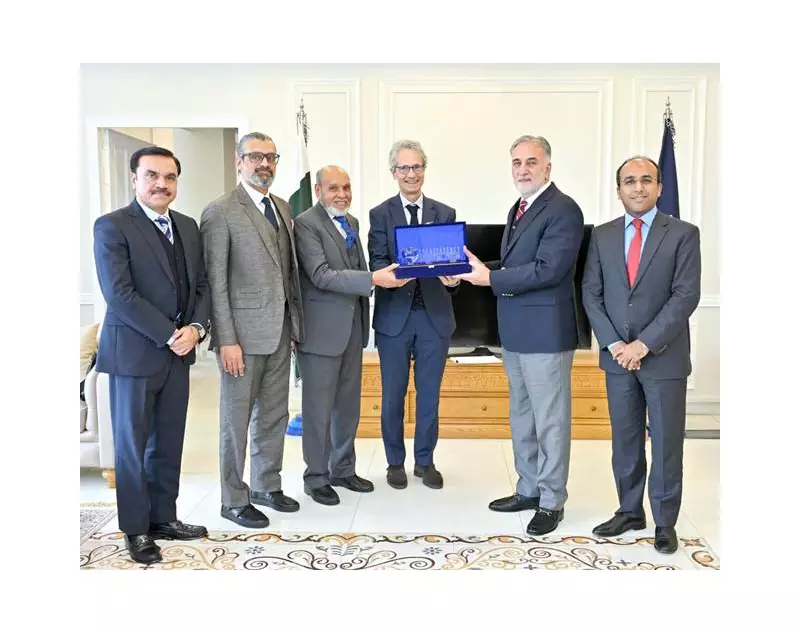
A distinguished four-member delegation from Transparency International (TI), led by its esteemed Chair Mr François Valérian, convened with Chairman of the National Accountability Bureau (NAB) Lt Gen (R) Nazir Ahmed at the NAB Headquarters in Islamabad on Tuesday. The high-level meeting centered on critical matters of mutual interest, with a strong emphasis on advancing transparency, accountability, and exploring avenues for enhanced bilateral cooperation in the fight against corruption.
Delegation Composition and Key Attendees
The TI delegation featured prominent figures including Justice (R) Zia Perwez, Advocate Daniyal Muzaffar, and Mr Kashif Ali, bringing a wealth of legal and governance expertise to the discussions. On the NAB side, Deputy Chairman Sohail Nasir and several senior NAB officers were present, underscoring the importance of this engagement for both institutions.
In-Depth Exchange on Anti-Corruption Initiatives
During the productive meeting, both sides engaged in a comprehensive exchange of views on pivotal anti-corruption initiatives and institutional reforms. The dialogue highlighted the crucial importance of collaboration between national accountability bodies like NAB and international civil society organizations such as Transparency International to foster good governance and integrity.

Chairman Nazir Ahmed stressed the imperative for coordinated national and international efforts to combat corruption effectively. He noted that corruption is a transnational menace that transcends borders, significantly undermining the rule of law and eroding public trust in institutions.
NAB's Structural Reforms and Digital Transformation
The NAB chairman provided a detailed briefing on the structural reforms implemented within the bureau, with particular focus on digital transformation initiatives. He elaborated on the integration of AI-assisted investigations, blockchain analysis, and advanced digital forensics to enhance operational efficiency and effectiveness.
These technological advancements have yielded remarkable results, including record recoveries of Rs 6.21 trillion in 2025. This achievement brings the total recoveries over the past three years to an impressive Rs 11.3 trillion, demonstrating NAB's robust performance in asset recovery.
Citizen-Centric Initiatives and Public Relief
Chairman Ahmed further highlighted NAB's citizen-centric initiatives designed to improve public access and support. Key measures include:
- Establishment of Facilitation Cells at regional offices
- Creation of Accountability and Business Facilitation Centres
- Implementation of a comprehensive Witness Protection and Support System
- Regular holding of Khuli Katcheries (open courts) for public grievances
These initiatives have provided substantial relief, benefiting 115,587 affectees of fraudulent housing and investment schemes during the year. A significant milestone mentioned was the opening of profit-bearing accounts for recovered funds, ensuring preservation of their time value and maximum financial benefit for claimants at disbursement.
Focus on Results-Based Frameworks and Data Sharing
While acknowledging international indices like the Corruption Perceptions Index, the chairman emphasized that NAB's primary focus remains on results-based frameworks that measure tangible outcomes. These include asset recovery metrics and successful prosecution of high-profile corruption cases.
He proposed that NAB and Transparency International could collaborate effectively by sharing authentic data for more evidence-based assessments, moving beyond perception-based evaluations to concrete performance indicators.
International Appreciation and Future Cooperation
Mr François Valérian expressed sincere appreciation for NAB's comprehensive reform agenda and its steadfast commitment to international anti-corruption frameworks. He conveyed confidence that continued engagement between NAB and Transparency International would significantly contribute to promoting integrity and good governance across Pakistan.

Both parties reached a consensus to enhance cooperation through capacity-building initiatives and constructive collaboration. This partnership aims to foster a culture of transparency aligned with the international anti-corruption regime, strengthening Pakistan's position in the global fight against corruption.