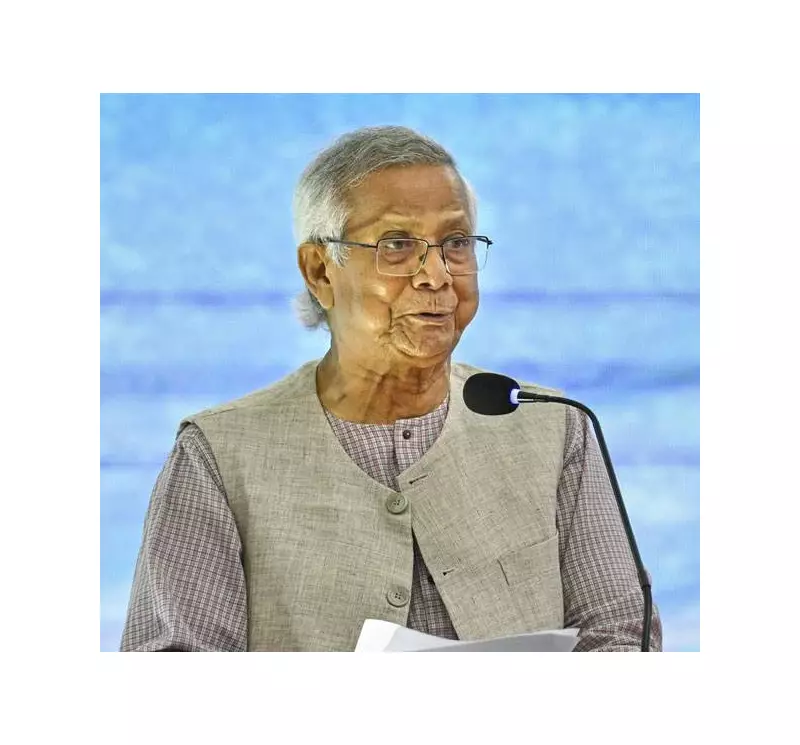
In a landmark televised address, the head of Bangladesh's interim government, Nobel laureate Muhammad Yunus, declared that the nation will hold a pivotal national referendum. This vote will determine the future implementation of the 'July Charter,' a comprehensive blueprint for state reform drafted in the wake of a deadly student-led uprising last year.
Key Decisions and the Path Forward
The interim government officially approved the July National Charter (Constitution Reform) Implementation Order 2025 on Thursday. Yunus confirmed that the referendum will be conducted on the very same day as the long-awaited parliamentary elections, scheduled for the first half of February. He assured the public that the elections would be free and fair, and that combining the two votes would make the process more festive and cost-efficient without hindering reforms.
What is the July Charter?
The proposed July Charter aims to fundamentally reshape the country's political landscape and institutions. A key provision gives constitutional recognition to the 2024 uprising that forced long-time Prime Minister Sheikh Hasina to flee to India. The charter's ambitious reforms include increasing women's representation in government, placing a limit on the prime minister's term, strengthening the powers of the president, expanding fundamental rights for citizens, and ensuring greater independence for the judiciary.

Political Reactions and National Ambitions
While a majority of political parties had signed the charter back in October, it faced a notable boycott. The National Citizens Party (NCP), formed by leaders of the 2024 movement, along with four left-leaning parties, refused to participate. The NCP cited the lack of a legal framework or binding guarantees for implementing the charter's commitments as their primary reason for staying away. This has led to a divided opinion, with supporters viewing the charter as a foundation for genuine institutional reform, while critics argue its impact could be largely symbolic without stronger legal underpinnings and broader parliamentary consensus. Yunus expressed his hope that all political parties would accept this decision for the greater good of the nation, stating that this process will lead Bangladesh towards a festive election and the dawn of a 'New Bangladesh.'