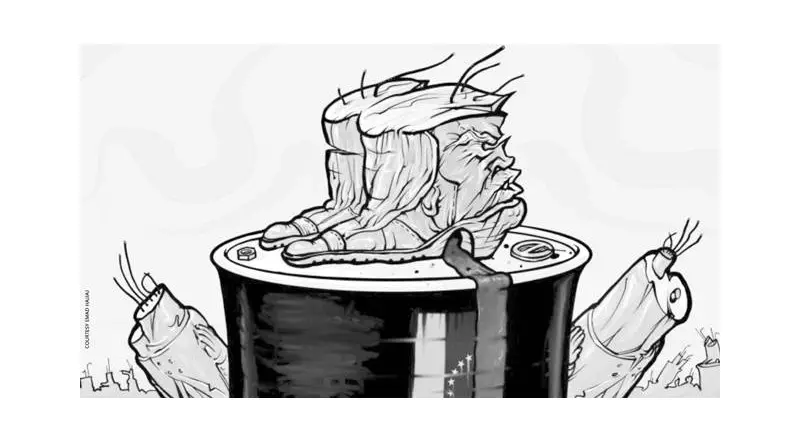
A political cartoon featured in the prominent Pakistani newspaper, The Nation, on Tuesday, January 6, 2026, has become the center of a significant national conversation. The illustration, which commented on contemporary socio-political themes, has ignited a fierce debate regarding the boundaries of freedom of expression and the role of satire in the country's media landscape.
The Spark: Content and Immediate Reaction
The cartoon, published in the print edition of the newspaper, employed symbolic imagery to critique current affairs. While the specific visual details are subject to interpretation, its message resonated strongly with various segments of society. Within hours of publication, the cartoon began circulating widely on social media platforms, drawing polarized reactions from the public, political commentators, and media watchdogs alike.
Supporters of the cartoon hailed it as a bold exercise of journalistic freedom and a necessary form of social commentary. They argued that satire has a long and important history in challenging power structures and prompting public discourse. Conversely, critics of the illustration found its content to be offensive or beyond the pale of acceptable critique, leading to calls for accountability and discussions about potential legal and ethical ramifications for the publication.

Broader Implications for Media and Society
This incident has thrust the perennial issue of press freedom in Pakistan back into the spotlight. Analysts are using this moment to examine the delicate balance between a publication's right to free speech and the social, cultural, and sometimes legal responsibilities that come with it. The debate extends beyond this single cartoon to question the overall environment for satirists and critical journalists working in the country.
Key questions being raised include the space for dissenting voices in mainstream media, the tolerance for artistic expression that challenges the status quo, and the mechanisms for redress if content is deemed harmful. The situation underscores the ongoing tension between progressive values of open discourse and more conservative interpretations of respect and national sentiment.
Legal and Professional Context
The publication date of January 6, 2026, marks a specific point in Pakistan's evolving media history. The reaction to The Nation's cartoon will likely be referenced in future discussions about editorial judgment and regulatory frameworks. Media ethics committees and press councils may review the case to determine if established codes of conduct were followed.
Furthermore, the event highlights the challenges faced by traditional newspapers like The Nation in the digital age, where content can be stripped of its original context and virally disseminated, amplifying both its reach and the intensity of the backlash. The newspaper's editorial team now faces the complex task of navigating public opinion while upholding their journalistic principles.
In conclusion, the cartoon published in The Nation is more than a single day's editorial choice; it is a catalyst for a necessary national examination. The discussions it has sparked touch upon core principles of democracy, creative liberty, and social cohesion. The outcome of this debate could influence editorial policies and the broader climate for political satire and freedom of expression in Pakistan for years to come.