As the calendar turns to 2026, Pakistan stands at a critical juncture, confronting a complex web of internal and external challenges that will define its trajectory for years to come. The nation's future hinges on its ability to navigate persistent economic pressures, deep political divisions, and an evolving security environment that demands strategic foresight and decisive action.
The Economic Landscape: A Precarious Balancing Act
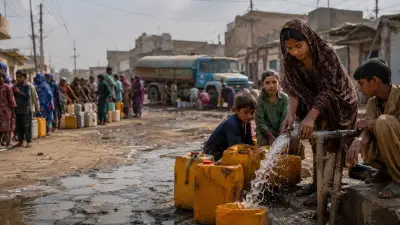
The Pakistani economy remains under significant strain, with soaring inflation and a heavy debt burden continuing to impact the lives of ordinary citizens. The government faces the monumental task of stabilizing the currency, attracting foreign investment, and implementing reforms that can spur sustainable growth. Key sectors, including agriculture and manufacturing, require modernization and support to become engines of job creation and export earnings.
International financial institutions and bilateral partners are closely watching Pakistan's economic management. The success or failure of fiscal policies and austerity measures will directly influence the country's creditworthiness and its capacity to fund essential public services and development projects. The path to economic recovery is narrow and requires both political will and technical expertise.

Political Stability and Governance Challenges
Domestic politics in Pakistan are characterized by a fragile equilibrium between major political forces. The ruling coalition, led by the Pakistan Muslim League-Nawaz (PML-N) with the Pakistan Peoples Party (PPP) as a key partner, operates under constant scrutiny. The opposition, particularly the Pakistan Tehreek-e-Insaf (PTI), remains a potent political force, ensuring a highly charged and competitive democratic environment.
This political dynamic complicates the process of building consensus on vital national issues. Long-term policy planning often falls victim to short-term political maneuvering. The effectiveness of governance at both federal and provincial levels is a recurring concern, with public demand for transparency and accountability growing louder. The stability of democratic institutions is paramount for ensuring continuity in addressing the nation's pressing problems.
Security and Foreign Policy Imperatives
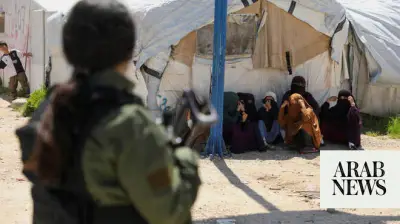
On the security front, Pakistan continues to grapple with the threat of terrorism and militancy. While major operations have degraded some terrorist networks, the emergence of new militant groups poses a persistent danger to internal security. The situation demands a robust and intelligence-driven response from law enforcement and security agencies to protect citizens and maintain public order.
Regionally, Pakistan's foreign policy is navigating a delicate path. Relations with key neighbors, including India and Afghanistan, remain complex and fraught with historical tensions and contemporary disputes. The relationship with China, centered on the China-Pakistan Economic Corridor (CPEC), is of strategic importance but requires careful management to maximize benefits for the Pakistani economy.
Furthermore, Pakistan must balance its traditional partnerships with evolving global geopolitics. Engaging with major powers like the United States, Russia, and the European Union, while safeguarding national sovereignty and interests, is a continuous diplomatic challenge. The country's role in regional and Islamic forums is also crucial for projecting its stance on international issues.
The Road Ahead: A Nation at a Crossroads
The year 2026 presents Pakistan with a series of defining choices. The convergence of economic hardship, political friction, and security threats creates a perfect storm that tests the resilience of the state and its people. However, within these challenges also lie opportunities for reform, renewal, and national cohesion.
Success will depend on leadership that prioritizes the national interest above partisan politics, fosters unity among diverse provincial and ethnic groups, and implements a clear-eyed strategy for economic revival and social development. The engagement of civil society, the media, and the youth will be instrumental in shaping a more prosperous and stable future.

As Pakistan moves forward, the world watches. The decisions made today will not only determine the quality of life for millions of Pakistanis but will also influence the country's standing and role in an increasingly interconnected and competitive global arena. The journey through 2026 will be a testament to the nation's enduring spirit and its capacity for transformation.