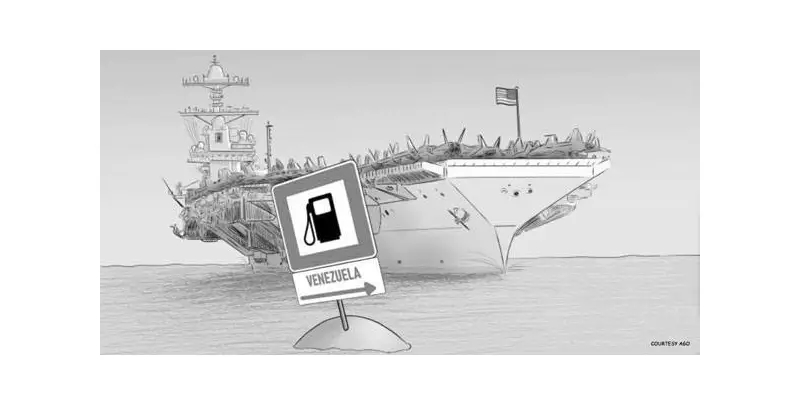
A recent political cartoon has become the center of a heated national conversation in Pakistan. Published on Wednesday, December 3, 2025, the illustration has captured significant public and media attention, sparking debates across various platforms.
Content and Context of the Cartoon
The cartoon, featured by a prominent Pakistani publication, uses classic satirical imagery to comment on the current socio-political landscape. While the specific visual elements are open to interpretation, the artwork is understood to critique contemporary power structures and political dynamics within the country. Such editorial cartoons have a long history in Pakistani journalism, serving as a powerful, non-verbal form of commentary that often bypasses lengthy articles to deliver a pointed message directly to the public.
Public and Political Reaction
The release of the cartoon on December 3rd prompted an immediate and varied response. Social media platforms lit up with discussions, as users shared the image and debated its meaning and merit. Supporters of the cartoon praised it for its boldness and for holding a mirror to pressing issues, viewing it as an essential exercise of free speech and democratic expression.

Conversely, critics have labeled the artwork as divisive or disrespectful. This split in public opinion highlights the deeply polarized nature of the current political environment in Pakistan. The cartoon has effectively acted as a catalyst, bringing underlying tensions and differing viewpoints to the surface in a very public forum.
Broader Implications for Media and Expression
This incident raises important questions about the role of satire and free press in Pakistan. Editorial cartoons are a unique and potent journalistic tool, but they often walk a fine line between critique and offense. The vigorous debate surrounding this particular cartoon underscores several key points for Pakistani society:
- The ongoing struggle for defining the boundaries of acceptable political commentary.
- The power of visual media to shape and influence public discourse rapidly.
- The state of press freedom and the space for dissenting or critical voices within national media.
The date of publication, December 3, 2025, marks a significant moment in this ongoing dialogue. The conversation it has generated is likely to continue influencing discussions about governance, accountability, and media responsibility for some time. Whether seen as a provocative masterstroke or an inflammatory misstep, the cartoon has undeniably achieved one of its primary purposes: to make people think, talk, and engage with the politics of their nation.