Pakistan's political landscape has witnessed a significant escalation as tensions between the Pakistan Tehreek-e-Insaf (PTI) and the ruling coalition reach new heights. The political thermometer has risen sharply following recent arrests and counter-accusations that have brought the country's capital to the brink of renewed confrontation.
PTI's Protest Strategy and Government Response
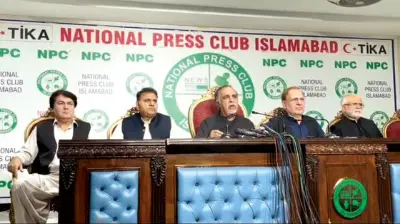
The PTI has announced plans for nationwide protests following what they describe as the "abduction" of female supporters and workers. Senior PTI leader Sher Afzal Marwat revealed that party chairman Barrister Gohar Khan would lead these demonstrations, emphasizing their peaceful nature while demanding the immediate release of detained workers.
Meanwhile, the Islamabad capital territory administration has taken a firm stance against any potential unrest. The district administration has issued clear warnings that illegal gatherings will not be tolerated and has specifically prohibited PTI from holding protests at D-Chowk, a historically significant location for political demonstrations in the capital.

Legal Battles and Judicial Interventions
The Islamabad High Court has emerged as a crucial battleground in this political conflict. The court has taken suo motu notice of the situation, particularly focusing on the alleged manhandling of journalists during recent police operations. Chief Justice Aamer Farooq has demanded comprehensive reports from the police and district administration, signaling the judiciary's active monitoring of the situation.
In a significant development, the court has ordered the immediate release of all female workers detained from the PTI secretariat, though it maintained that male workers would remain in custody pending further investigation. This partial relief has done little to calm the political waters, with both sides digging in their heels.
Security Measures and Political Rhetoric
Security in Islamabad has been significantly heightened, with authorities establishing multiple checkpoints and deploying substantial police forces around sensitive areas. The Red Zone, housing key government buildings and diplomatic missions, has received particular attention, with concrete barriers and increased surveillance measures implemented.
The political rhetoric has intensified correspondingly. Interior Minister Syed Mohsin Naqvi has issued stern warnings, stating that "the state will respond with full force" to any attempts to disrupt peace. His statements reflect the government's determination to prevent any repetition of the violent clashes that marred May 9 of the previous year.
On the opposition side, PTI leaders have maintained their position that their protest will be peaceful while simultaneously condemning what they describe as "state-sponsored oppression" against their workers. The party has circulated videos showing what they claim to be evidence of excessive force used during arrests.
Broader Political Implications
This escalating confrontation occurs against the backdrop of ongoing political realignments in the country. The government's firm stance appears aimed at demonstrating control and stability, while the PTI's protest strategy seems designed to maintain political relevance and pressure the administration.
Observers note that the situation remains fluid, with the potential for rapid escalation if either side miscalculates. The coming days will be crucial in determining whether the political temperature can be lowered through dialogue or whether the nation faces another period of political instability and street confrontations.
The international community is closely monitoring developments, with several foreign embassies issuing advisories to their citizens in Pakistan. The economic implications are also significant, as political instability typically affects market confidence and investment decisions.