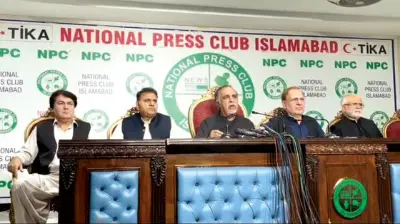
Senior leaders of the Pakistan Tehreek-e-Insaf (PTI), currently imprisoned, have once again raised their voices, urging for a meaningful political dialogue to address the nation's escalating political and constitutional crisis. This renewed call comes from behind bars, highlighting the deepening stalemate in the country's political landscape.
Appeal from Adiala Jail: A Unified Stance
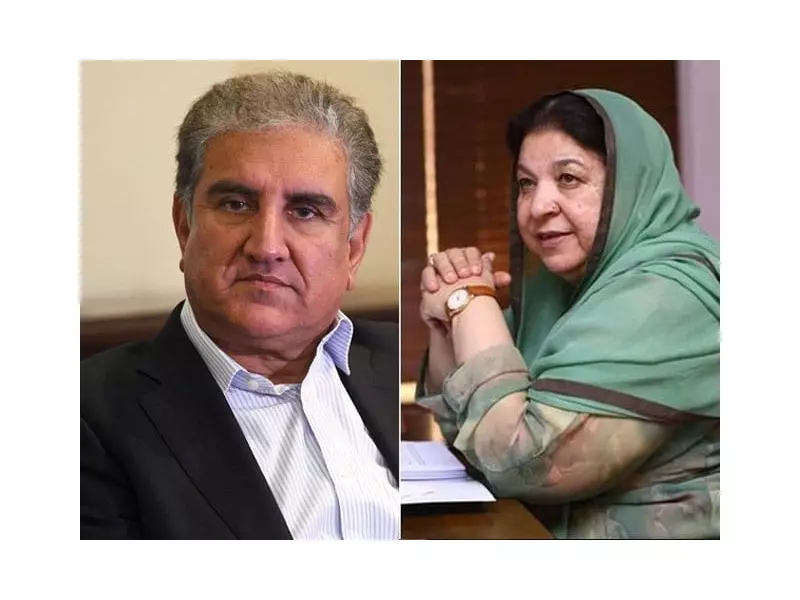
From the confines of Rawalpindi's Adiala Jail, prominent PTI figures including former foreign minister Shah Mahmood Qureshi and former Punjab chief minister Chaudhry Parvez Elahi have articulated a clear message. They stress that the only viable path forward for Pakistan is through comprehensive political dialogue and reconciliation. Their stance was formally communicated during a meeting of the PTI's core committee, which was held within the jail premises.
The incarcerated leaders have consistently pointed to what they describe as a "political and constitutional crisis" gripping the nation. They argue that sustained confrontation is detrimental to the country's stability and future. The core committee's resolution from jail underscores the party's official position, pushing for talks as the primary mechanism to de-escalate tensions and find a sustainable solution.

The Government's Response and Legal Context
This latest appeal for dialogue faces a complex backdrop. The government, led by the Pakistan Muslim League-Nawaz (PML-N), has historically set preconditions for any talks with PTI, often linking them to the latter's conduct and statements. Furthermore, the legal status of the jailed leaders adds another layer of complexity.
Both Qureshi and Elahi are entangled in multiple legal battles. Shah Mahmood Qureshi remains detained in connection with the cases stemming from the events of May 9, while Parvez Elahi was recently arrested by the National Accountability Bureau (NAB) in a fresh corruption case. Their calls for dialogue, therefore, originate from a position of significant personal and political adversity, which frames the entire discourse.
Broader Implications for Political Stability
The persistent call for talks from jail signals a critical juncture for Pakistani politics. Analysts suggest that the continued incarceration of major opposition figures, coupled with a deadlock in communication, risks further polarizing the political environment. The PTI's strategy appears to be one of maintaining political relevance and pressure by championing the cause of dialogue from an unlikely venue.
The situation presents a dilemma for the ruling establishment. Engaging with jailed opposition leaders is fraught with legal and perceptual challenges, yet ignoring repeated calls for negotiation could be seen as intransigence, potentially exacerbating the very crisis the PTI leaders are highlighting. The coming weeks will be crucial in determining whether these calls will transition from prison cell statements to a tangible political process.
Ultimately, the renewed plea from Adiala Jail puts the ball firmly in the court of the government and state institutions. The decision to either explore a negotiated settlement or maintain the current course will have profound implications for Pakistan's democratic trajectory and short-term stability. The nation watches to see if the walls of the jail will confine this appeal or if it will break through to spark a much-needed political conversation.