In a significant clash between policy and practice, shopkeepers across Islamabad's major markets are openly resisting the government's ban on single-use polythene bags. This defiance persists despite ongoing enforcement actions by the Capital Development Authority (CDA), which include imposing fines and confiscating prohibited stock.
Enforcement Actions and Trader Defiance
The CDA's enforcement teams have been actively conducting raids in various commercial areas, including the prominent Sunday Bazaar in H-9. During these operations, authorities have seized thousands of plastic bags and issued fines to numerous shopkeepers found violating the ban. The crackdown is part of a broader environmental initiative to eliminate non-biodegradable plastic from the federal capital.
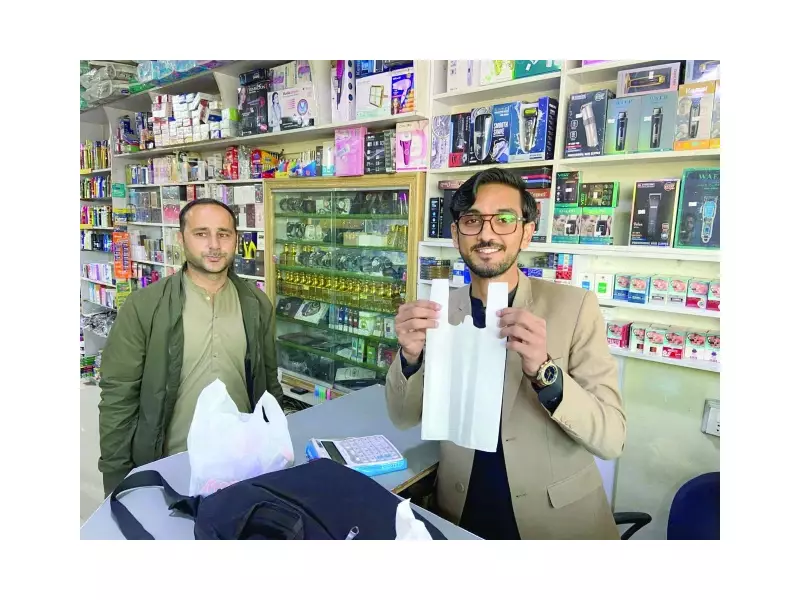
However, the enforcement has met with staunch resistance. A large number of traders continue to use and supply plastic bags to their customers. When questioned, many cite the high cost of alternative packaging materials, such as paper or cloth bags, as a primary reason for their non-compliance. They argue that these alternatives are not economically viable for small-scale businesses and that customers often expect free, convenient plastic bags.

The Trader's Perspective: Cost and Convenience
Shopkeepers present a united front on the economic challenges posed by the ban. Muhammad Javed, a general store owner in G-9 Markaz, explained the practical dilemma. "A paper bag costs between 15 to 20 rupees, while a plastic bag costs only 2 to 3 rupees," he stated. "If I give a paper bag for a small purchase of 50 rupees, my profit is completely wiped out." This sentiment is echoed widely among fruit, vegetable, and small goods vendors who operate on thin margins.
Furthermore, traders complain about a lack of affordable and readily available alternatives. They claim that the government has not provided a sustainable solution or a subsidized supply chain for biodegradable bags, leaving them in a difficult position. Many feel targeted by the fines while the root cause—the absence of a cheap substitute—remains unaddressed.
Legal Framework and Environmental Goals
The ban is grounded in the Pakistan Environmental Protection Act of 1997 and subsequent regulations issued by the federal government. The CDA is mandated to enforce these rules to protect the environment from the severe pollution caused by plastic waste, which clogs drains, harms wildlife, and degrades soil quality.
An official from the CDA's environment wing emphasized the non-negotiable nature of the law. "The use, sale, and manufacturing of plastic bags below a specific thickness are illegal in Islamabad," the official reiterated. "We are committed to continuing our enforcement drive. The fines and seizures will persist until full compliance is achieved." The authority urges citizens to cooperate by bringing their own reusable bags when shopping.
The standoff highlights a critical gap in environmental policy implementation. While the law sets a clear directive, its success hinges on managing the economic impact on small businesses and ensuring the market is flooded with affordable alternatives. Without addressing these concerns, the tug-of-war between shopkeepers and enforcement agencies is likely to continue, undermining the important environmental objectives of the plastic ban.