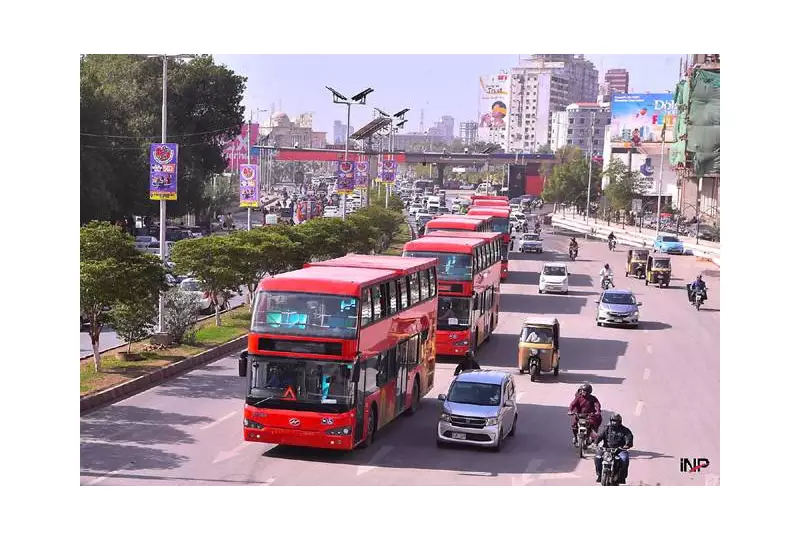
In a significant New Year development for Karachi's commuters, the Sindh government has officially launched a double-decker bus service in the metropolis. The service was inaugurated by Provincial Transport Minister Sharjeel Inam Memon, marking a positive step towards enhancing the city's public transport infrastructure.
Route, Fare, and Initial Operations
The newly introduced double-decker buses will operate on a 22-kilometer route. Initially, the service will run from Malir to Sharea Faisal, specifically connecting Model Colony to Zainab Market. The fare for this journey has been fixed between Rs80 to Rs120, offering a new travel option for the public.
Minister Memon stated that the service is starting on a trial and limited scale. He also revealed that he has discussed plans for expansion with Sindh Chief Minister Syed Murad Ali Shah, with the aim of bringing in more double-decker buses and extending the service to other major roads in the future.

Broader Public Transport Context
The launch occurs against the backdrop of Karachi's ongoing public transport challenges and deteriorating road conditions. Minister Memon provided context by sharing current ridership statistics: 125,000 people daily use the People's Bus Service, while the Green Line Bus Service caters to 65,000 commuters each day.
In another integration effort, the Sindh government has linked the Green Line BRT Project with the Orange Line, allowing passengers to use both services with a single card. The minister also confirmed that construction work has resumed on the Red Line BRT Project and that Rs9 billion has been allocated for road improvements in the industrial area.
Karachi's Infrastructure Challenges
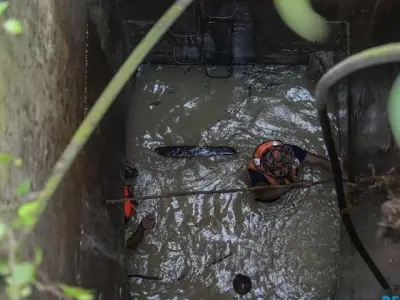
This new service is launched in a city grappling with severe infrastructure issues. For nearly a year, many areas have been plagued by broken and dug-up roads, causing immense inconvenience, vehicle damage, and contributing to rising pollution and health problems.
Districts including East, West, South, Central, Keamari, Malir, and Korangi face persistent problems of damaged roads, water shortages, and sewage overflows. The city's administrative fragmentation, divided among 23 institutions including KMC, cantonment boards, and KPT, complicates coordinated development. Notably, the Karachi Metropolitan Corporation controls only 32% of the city's land.
Residents in areas like North Nazimabad report that despite announcements of a Rs25 billion infrastructure package, development funds for MNAs, and mayoral projects, meaningful change remains elusive. Excavation work by utility companies like Sui Southern Gas has further damaged the already weak road network.