Karachi's Governance Crisis Ignites National Debate After Gul Plaza Fire
As the death toll from the devastating Gul Plaza fire in Karachi reaches 28, a long-overdue national conversation on the city's municipal governance has finally begun. This tragedy has served as a stark wake-up call, highlighting systemic failures that demand immediate attention from Pakistan's highest legislative bodies.
Parliamentary Calls for Structural Reforms
Much has already been written, including in various publications, about the urgent need to manage Karachi as a modern megacity rather than as a peripheral territory of Sindh, governed through opaque and patronage-driven political hierarchies. The Gul Plaza disaster, however, has proven to be one catastrophe too many, pushing the debate directly into the National Assembly. At this critical juncture, Pakistan's parliamentarians are expected to move beyond mere rhetoric and take decisive, actionable steps to address the city's deep-rooted issues.
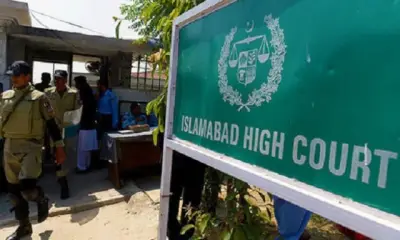
The calls being raised in parliament to create new administrative units, strengthen local government systems, and separate the governance of Karachi from that of the province are both logical and necessary. Across the globe, large metropolitan cities function as distinct administrative entities, with their own elected bodies, dedicated revenue streams, and empowered municipal institutions. Karachi's multifaceted problems cannot be effectively solved by subsuming them within Sindh's broader administrative framework. Devolving authority further and granting the city genuine autonomy would achieve far more than continuing with the current, inefficient arrangement.

Comprehensive Overhaul Required for Karachi's Survival
What Karachi requires is nothing short of a comprehensive overhaul of how it is governed and financed. Fire safety is only one of many glaring failures, though the city has suffered repeated and deadly fires in industrial, commercial, and residential areas over the years. Building regulations are weakly enforced, if at all, leading to structures that routinely collapse under pressure. Water management is so dysfunctional that a city of over 20 million residents relies heavily on tanker supplies controlled by entrenched mafias, exacerbating daily hardships.
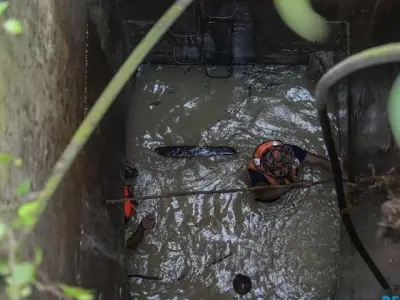
Traffic fatalities involving heavy dumpers have become so common that they have sparked vigilante reprisals among frustrated citizens. Sewage and drainage systems are in such disrepair that large parts of the city are barely livable, especially during monsoon seasons. Crime has reached alarming levels where it is common advice for visitors to carry a dummy mobile phone in anticipation of being robbed. Infrastructure projects are riddled with corruption, rendering vast areas perpetually dug up and inaccessible, hindering economic growth and quality of life.
Political Accountability and the Path Forward
While much of Pakistan inches forward, however slowly, Karachi appears to be moving in reverse, trapped in a seemingly endless downward spiral of governance failures. The Pakistan Peoples Party, the Muttahida Qaumi Movement, and other local political actors must either rise to the occasion by supporting meaningful reforms or face the consequences of continued public outcry and potential electoral backlash. The time for action is now, as the city's residents deserve a safer, more efficient, and autonomous administrative framework to thrive in the future.