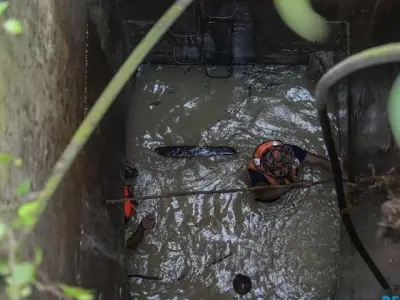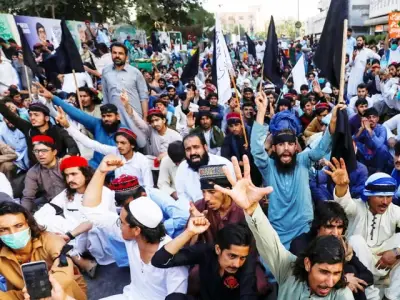
In the densely packed neighborhoods of Karachi, a silent crisis is unfolding, one floor at a time. Multi-storey buildings, crammed onto tiny plots of land, are housing dozens of families in perilous conditions. This desperate response to poverty and a severe housing shortage has created a ticking time bomb for entire communities, leading to a forceful government crackdown.
A City at Risk: The Demolition Drive
Since the start of this year, authorities have launched a fresh offensive against these dangerous structures. The scale of the problem is immense, with 1,622 dangerous and illegal buildings already demolished in Karachi. The drive highlights the urgent need to address a problem that has claimed far too many lives.
Adding his voice to the call for action, Advocate Saifuddin, the Leader of the Opposition in the City Council, has publicly urged the Director General of the Sindh Building Control Authority (SBCA). He has demanded an immediate halt to such constructions and has pushed for the enactment of a robust building control law to prevent future tragedies.

The Tragic History of Building Collapses
The history of neglected and poorly constructed multi-storey buildings in Karachi is written in tragedy. Over the years, numerous structures have collapsed due to a variety of fatal flaws. Sometimes, the issue is an unstable foundation that cannot support the excessive weight. On other occasions, the culprit is the use of substandard construction materials, cutting corners at the cost of human safety.
While the immediate cause of each collapse may vary, the root cause remains consistent: the erection of buildings without proper safety regulations. The human cost of this negligence is staggering. In the last five years alone, these illegal buildings have buried over 40 people under their rubble.
The Root of the Problem: Karachi's Housing Crisis
The demolition of these buildings, while necessary for public safety, opens another complex wound: the city's deep-rooted housing crisis. Where will the displaced families go? Earlier this year, Sindh Senior Minister Sharjeel Memon clarified that the government has no legal obligation to provide housing to those displaced by the demolitions. However, he did mention that efforts would be made to accommodate those with no other option.
This statement touches the very heart of the issue. If the government aims to permanently solve the crisis of illegal constructions, it must simultaneously tackle the crisis of poor people having no affordable or safe place to live. The two problems are inextricably linked. The already-high death toll from building collapses marks this as a matter of utmost urgency that requires a comprehensive, compassionate solution.