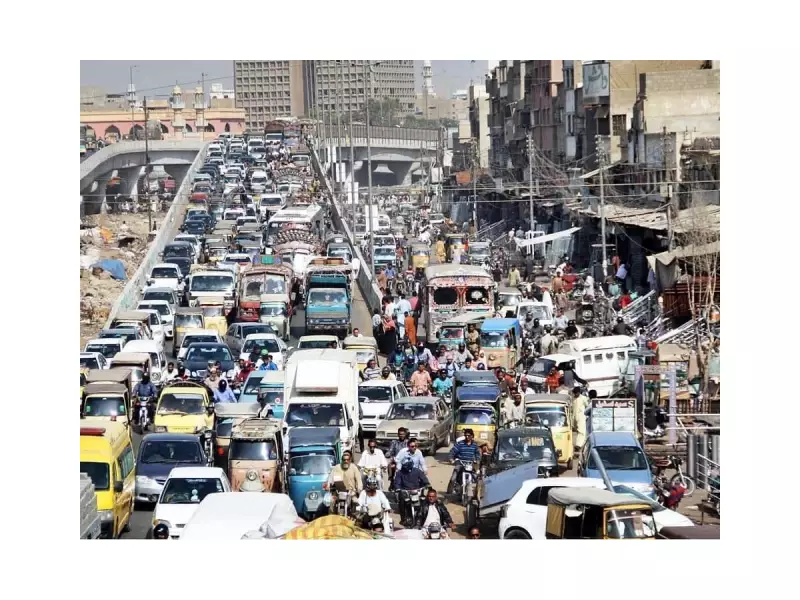
Karachi residents should prepare for significant transformations on the city's roads as the Karachi Traffic Police launches comprehensive reforms targeting accident reduction and improved traffic movement. Deputy Inspector General (DIG) Traffic Karachi Peer Muhammad Shah unveiled these initiatives during his address at the Karachi Chamber of Commerce and Industry on Monday, emphasizing how technological integration and stricter enforcement will revolutionize daily commuting.
Smart Traffic Management System
The cornerstone of this transformation is the establishment of the Karachi Traffic Management Company (KTMC), which will take charge of all traffic engineering operations throughout the metropolis. The deployment of intelligent traffic signals represents a crucial component of this upgrade, with each unit costing approximately Rs7.5 million. Given that Karachi requires around 400 such signals, the total investment reaches an estimated Rs30 billion.
These advanced signals are projected to significantly enhance traffic flow and minimize congestion, ultimately benefiting millions of daily commuters. DIG Shah emphasized that the chief executive officer overseeing this initiative must possess either a PhD or Master's degree in traffic management to guarantee expert supervision. The official confirmed that revenue generated from e-challans could potentially fund the complete transformation of Karachi's traffic infrastructure within a two-year timeframe.

E-Challan Effectiveness and Enforcement Measures
The e-challan system has already demonstrated remarkable results, with traffic-related accidents decreasing from 96 to 46 incidents monthly. DIG Shah clarified that fine structures are designed to encourage compliance rather than punish financial capability. First-time offenders can avail fine waivers through digital facilitation services available at 11 designated service centers across the city.
In a stern warning to motorists, the DIG announced that concealing license plates will now result in First Information Reports (FIRs) being filed against violators. Shahrah-e-Faisal will witness intensified monitoring through multiple surveillance cameras, ensuring strict adherence to traffic regulations, including the 60 km/h speed limit.
Enhanced Safety for Heavy Vehicles
Dumpers and other heavy transport vehicles will undergo more rigorous fitness and tracking inspections. GPS trackers have become mandatory for all heavy vehicles, and those operating without this technology will be prohibited from using city roads. The DIG explained that winter conditions elevate accident risks due to tire and brake malfunctions, making fitness examinations particularly crucial during colder months.
The Sindh Transport Department is concurrently modernizing vehicle inspection protocols, with plans to establish four commercial vehicle fitness centers at strategic locations throughout Karachi.
Dedicated Lanes for Motorcycles and Bicycles
To enhance commuting safety for all road users, motorcycles will be directed to designated bike lanes on Shahrah-e-Faisal starting December. This measure aims to reduce accidents while creating smoother traffic movement for both two-wheelers and larger vehicles.
For ordinary citizens, these comprehensive measures promise safer and more predictable daily travel. Families, office commuters, and delivery personnel stand to gain from reduced accidents, shorter travel durations, and improved navigation through urban thoroughfares. DIG Shah stressed that the success of these reforms depends not solely on enforcement but on fostering genuine respect for traffic regulations, asserting that "if people are not afraid of the system, change cannot happen."