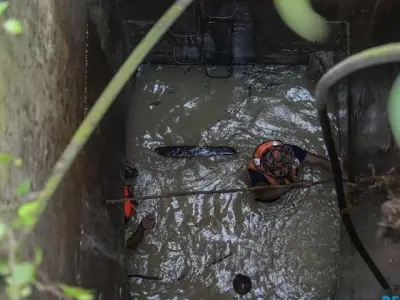
A tragic incident in Karachi has once again exposed the deadly negligence plaguing the city's public infrastructure. A 45-year-old man lost his life after falling into an open manhole in the Gulshan-e-Iqbal area, marking another preventable fatality due to the authorities' failure to secure hazardous sites.
Details of the Tragic Incident
The victim, identified as Muhammad Aslam, son of Abdul Sattar, was walking near Block 13-D of Gulshan-e-Iqbal on the night between Tuesday and Wednesday. In the darkness, he stepped into an uncovered manhole and fell inside. Local residents, hearing his cries for help, rushed to the scene and managed to pull him out. He was immediately transported to a nearby hospital, but doctors pronounced him dead on arrival.
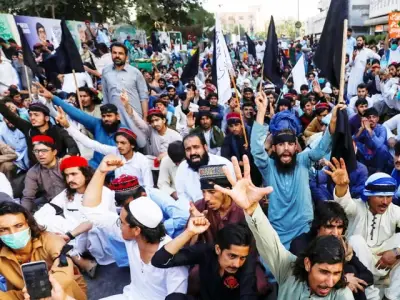
Following the incident, the family of the deceased and area residents staged a protest, blocking the main road to demand justice and action. They placed the victim's body on the road, expressing their anger over the recurring deaths caused by open manholes and sewage pits across the metropolis. Police and local officials eventually negotiated, after which the body was taken to Jinnah Postgraduate Medical Centre (JPMC) for legal formalities.

A Pattern of Negligence and Public Outcry
This is not an isolated event. Karachi has witnessed a series of similar tragedies where citizens, including children, have died after falling into unprotected manholes and deep pits dug by various civic agencies. The protestors highlighted that such incidents occur with alarming frequency, yet no effective measures are taken to hold anyone accountable or to implement stringent safety protocols.
The open manhole in question was reportedly under the jurisdiction of the Karachi Water and Sewerage Board (KWSB). The protestors demanded that the authorities take immediate action against the officials responsible for leaving such a lethal hazard unmarked and uncovered. They called for the registration of a First Information Report (FIR) and stern legal consequences for the negligence that cost an innocent life.
Official Response and Ongoing Crisis
Law enforcement officials confirmed the details of the accident and stated that the body was handed over to the family after the necessary medical and legal procedures. However, the core issue remains unaddressed. Civil society activists and urban planners have repeatedly warned about the dire state of Karachi's infrastructure, where open manholes, broken roads, and exposed utility trenches pose a constant threat to millions of residents.
The death of Muhammad Aslam underscores a severe public safety crisis in Pakistan's largest city. It raises critical questions about the duty of care owed by municipal corporations and service providers like KWSB. There is a pressing need for a systematic city-wide audit of all such hazards, the implementation of strict cover-securing protocols, and a transparent mechanism for public reporting of dangerous sites. Until these fundamental steps are taken, the lives of Karachi's citizens remain at risk every time they step out onto the streets.
This latest fatality serves as a grim reminder that infrastructural decay has direct and fatal human consequences. It is a call for urgent governance reform and accountability to prevent such needless loss of life in the future.