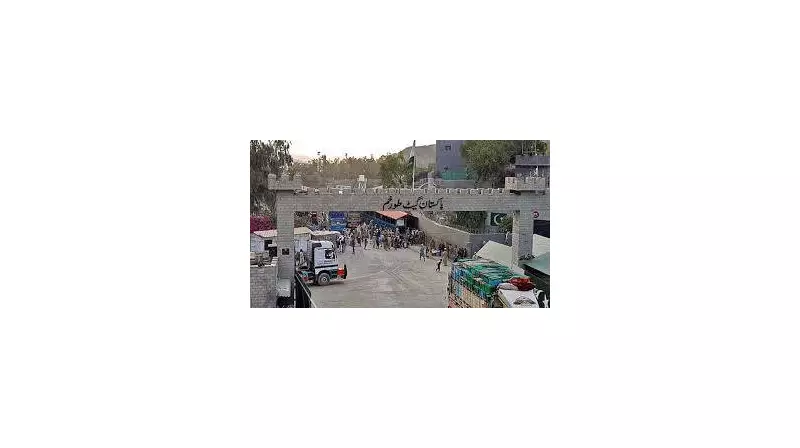
In a significant development at the Pakistan-Afghanistan frontier, the Torkham border crossing has resumed operations after remaining shut for nearly three weeks. The strategic reopening aims to streamline the repatriation process for thousands of undocumented Afghan nationals residing in Pakistan.
Border Dynamics Shift as Pakistan Implements Repatriation Strategy
The crucial trade and transit point between the two neighboring nations witnessed restoration of movement following a comprehensive 20-day closure. This temporary suspension was part of Pakistan's broader initiative to address the complex issue of illegal immigration while maintaining diplomatic channels with Afghan authorities.
Official sources confirm that the border's reactivation specifically facilitates the organized return of Afghan citizens who lacked proper documentation for their stay in Pakistan. The measured approach demonstrates Islamabad's commitment to handling the sensitive matter with procedural fairness.

Balancing Humanitarian Concerns with Security Imperatives
The decision to reopen Torkham comes after extensive intergovernmental consultations between Pakistani and Afghan officials. Both nations have acknowledged the necessity of regulated border management while addressing humanitarian aspects of the repatriation process.
Security analysts highlight that the temporary closure allowed authorities to establish enhanced verification mechanisms and processing protocols. These measures aim to ensure that border movements occur through proper channels, reducing potential security vulnerabilities.
Economic and Social Implications
The Torkham crossing serves as a vital economic artery for both countries, facilitating legitimate trade and transit. Its prolonged closure had impacted cross-border commerce and separated families, making its reopening crucial for regional stability.
Local business communities on both sides of the border have welcomed the resumption of activities, though they emphasize the need for predictable border policies to support economic recovery in the region.
As the repatriation process continues, observers will monitor how both nations navigate the complex interplay of security, humanitarian, and economic considerations at one of South Asia's most strategically important border crossings.