An anti-terrorism court (ATC) in Lahore has finally concluded the trial proceedings in the high-profile GOR Gate attack case, reserving its verdict after a legal battle spanning nearly eight years. The court announced that the final judgment will be pronounced on March 19, bringing a long-awaited closure to a case that shook the provincial capital.
The Long Road to Justice
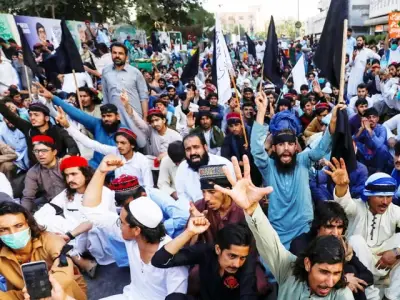
The case stems from a violent incident that occurred on August 16, 2016, outside the GOR Gate of the Punjab Assembly in Lahore. A charged mob, protesting against the provincial government, allegedly attacked and vandalized public property. The prosecution charged 11 individuals, including a senior police officer, with terrorism and other serious offences.
Among the key accused is former Deputy Superintendent of Police (DSP) Umar Virk, who was charged under the Anti-Terrorism Act. The case saw numerous hearings, delays, and legal arguments over the years. The recent hearing before Judge Ejaz Ahmad Buttar marked the culmination of the trial, with both the prosecution and defence presenting their final arguments.

Final Arguments and Awaiting Judgment
During the final hearing, the prosecution vehemently argued for the conviction of all accused, presenting evidence to substantiate charges of terrorism, rioting, and damage to state property. The defence lawyers, in their concluding statements, pleaded for the acquittal of their clients, challenging the evidence and the applicability of anti-terrorism laws to the incident.
After carefully considering the arguments from both sides, Judge Ejaz Ahmad Buttar reserved the verdict. The court's order explicitly stated that the judgment would be announced on the next date of hearing, which is scheduled for March 19, 2024. This sets the stage for a decisive moment in a case that has been a significant point of legal and political discussion.
Implications and Next Steps
The reservation of the verdict brings a critical phase of this protracted case to an end. The outcome on March 19 will determine the legal fate of the 11 accused, including the former DSP. The judgment is expected to address key questions regarding the nature of the protest, the extent of damage, and the validity of invoking anti-terrorism charges.
This case has been closely watched as it touches upon issues of public protest, law enforcement accountability, and the application of anti-terrorism legislation. The final ruling will not only deliver justice for the specific events of August 2016 but could also set a precedent for how similar cases are handled in the future. All parties now await the court's written order, which will detail the reasoning behind the final decision.