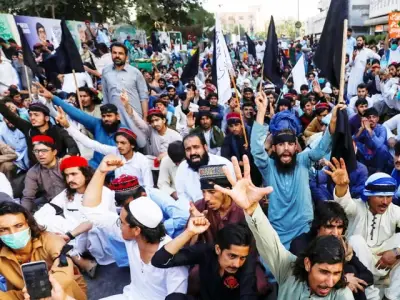
In a significant move demonstrating continued resolve, the Punjab government has established twelve joint investigation teams to examine cases registered against the proscribed organization Tehreek-e-Labbaik Pakistan. This development signals that the government's crackdown has not diminished even as public attention has shifted to other matters.
Sustained Action Against Proscribed Outfits
Unlike previous patterns where targeted groups managed to negotiate quiet deals once public pressure subsided, the current approach shows no signs of leniency. After years of repeating cycles with criminal and militant organizations, Pakistan appears to have learned crucial lessons about dealing with anti-state elements. The formation of these JITs represents a departure from past practices where cosmetic reforms and conciliatory tones often led to reduced scrutiny.
The government has made clear there will be no mercy for those who weaponize distorted interpretations of Islam to advance violent, power-driven agendas. This firm stance marks a critical shift in how the state handles organizations that challenge its authority and disrupt public order.

Transparency and Accountability Measures
What makes this initiative particularly noteworthy is its transparency. The composition of these twelve JITs, their specific mandates, and the cases assigned to them have all been placed in the public domain. This level of openness is unusual in Pakistan's fractured political patronage system, where lower tiers of law enforcement often allow cases to weaken without firm instructions from the highest political and institutional levels.
With both provincial and federal governments closely monitoring their performance, investigators are expected to approach their work with greater diligence. The public scrutiny creates additional pressure for thorough and impartial investigations, reducing opportunities for the cases to be compromised or delayed.
Strong Message to Supporters
The public announcement of these investigation teams serves another crucial purpose: signaling to remaining TLP supporters that state resolve remains strong. Should the organization attempt to resume the disruptive and violent activities witnessed in previous years, they will face the full weight of the law. This clear communication aims to prevent any miscalculations about the government's determination to maintain law and order.
The formation of JITs represents standard police procedure, but the context and transparency surrounding these particular teams indicate a more determined approach. By making the process visible and accountable, authorities hope to ensure that violent elements previously operating with impunity are brought within the bounds of law and order.
This sustained crackdown deserves public support as the government works to establish the state's monopoly on the use of force and protect citizens from organizations that promote violence under religious pretexts. The message is clear: there will be no more leniency for those who threaten Pakistan's stability and security.