In a remarkable conservation success story, the Punjab Wildlife Department has achieved significant breakthroughs in preserving the endangered Punjab Urial population through specialized hand-rearing techniques. This innovative approach has proven vital for the survival of orphaned and vulnerable lambs that would otherwise struggle to survive in the wild.
Breakthrough in Wildlife Conservation
The Punjab Wildlife Department has successfully implemented a comprehensive hand-feeding program for Punjab Urial lambs at the Jhelum Wildlife Park. This initiative represents a crucial intervention for the conservation of this endangered species, which faces numerous threats in its natural habitat. The program specifically focuses on lambs that have been orphaned or separated from their mothers, providing them with the necessary care and nutrition they need to develop properly.
According to wildlife officials, the hand-rearing process requires meticulous attention to detail and specialized knowledge. The lambs are fed a carefully formulated milk replacement formula that mimics the nutritional composition of their mother's milk. This ensures they receive adequate nutrients for healthy growth and development during their most vulnerable life stage.

Specialized Care and Monitoring
The hand-feeding protocol involves feeding the lambs multiple times throughout the day, with caretakers maintaining strict hygiene standards to prevent infections. Wildlife veterinarians closely monitor each lamb's health, weight gain, and behavioral development to ensure they are progressing appropriately. This intensive care continues until the lambs are strong enough to transition to solid foods and eventually reintegrate into their natural habitat.
The success rate of this hand-rearing program has been particularly encouraging, with most lambs showing excellent progress under human care. Wildlife experts note that these hand-reared urials eventually develop the necessary skills to survive in the wild, including foraging behavior and social integration with other members of their species.
Conservation Significance
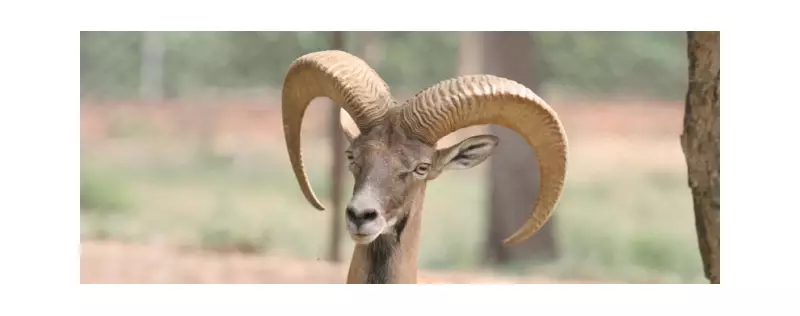
The Punjab Urial (Ovis vignei punjabiensis) is classified as an endangered species, with its population facing continuous threats from habitat loss, poaching, and human-wildlife conflict. This conservation initiative plays a vital role in stabilizing and increasing the urial population in Punjab's protected areas. Each successfully reared lamb represents a valuable addition to the genetic diversity and overall population health of this threatened species.
Wildlife department officials emphasize that such interventions are essential for maintaining ecological balance and preserving Pakistan's natural heritage. The program not only saves individual animals but contributes to the long-term survival of the entire species in the region.
The success of this hand-feeding program demonstrates the commitment of Punjab's wildlife authorities to innovative conservation strategies. As more lambs are successfully reared and released back into protected habitats, the program continues to make significant contributions to wildlife preservation efforts across the province.