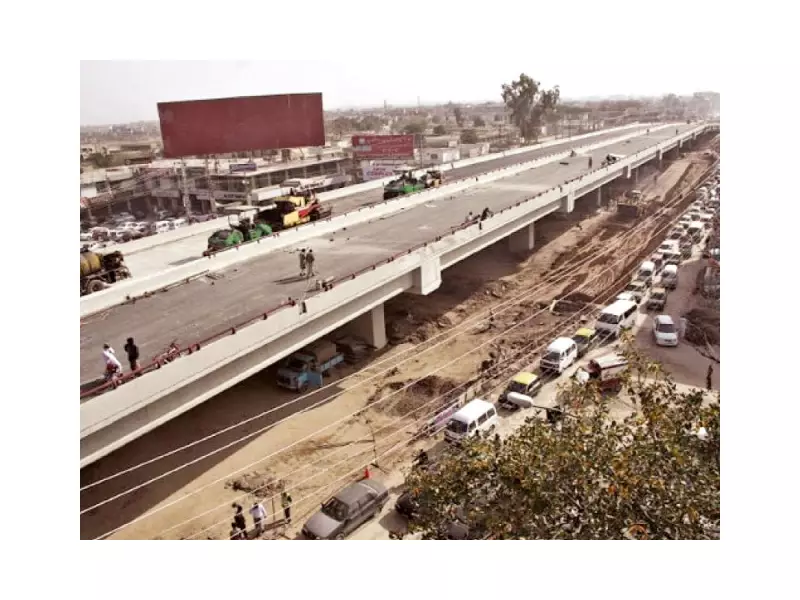
In a significant move to address chronic traffic congestion, Rawalpindi is poised to receive a major infrastructure upgrade with the construction of a new signal-free corridor. The ambitious project, valued at a substantial Rs 2.8 billion, aims to create a seamless traffic flow on one of the city's busiest arteries.
A Long-Awaited Solution for Commuters
The proposed corridor will stretch approximately 4.5 kilometers, connecting the bustling Chandni Chowk intersection to the critical Faizabad interchange. This route is a vital lifeline for thousands of daily commuters traveling between Rawalpindi and Islamabad, and is notorious for its lengthy traffic jams, especially during peak hours.
According to officials from the Rawalpindi Development Authority (RDA), the project's design has received the green light from the Punjab government. The planning phase is now complete, and the authorities are moving forward with the necessary administrative and financial approvals to commence physical work on the ground.

Project Design and Key Features
The signal-free corridor is engineered to eliminate major bottlenecks. The plan includes the construction of three underpasses and three flyovers at key intersections along the route. This elevated and underground network is intended to allow through-traffic to bypass congested surface-level crossings entirely.
Specific intersections slated for this upgrade include Chandni Chowk, Khyaban-e-Sir Syed, and Committee Chowk. By separating the traffic streams, the project promises to drastically reduce travel time for vehicles passing through this corridor. Officials anticipate that once completed, the journey from Chandni Chowk to Faizabad, which can currently take over an hour in heavy traffic, will be slashed to a mere 7 to 10 minutes.
Next Steps and Implementation Timeline
The RDA has finalized the project's cost estimate and design, which now await the final nod from the provincial authorities. The next critical step involves the approval of the PC-I proforma, the official document that outlines the project's scope, cost, and implementation plan. Once this is sanctioned, the tendering process for contractors will begin.
While an exact start date for construction has not been announced, the urgency from civic authorities is clear. The project is a high-priority initiative under the current government's mandate to improve urban infrastructure and facilitate economic activity by easing mobility constraints. Residents and business owners along the route are keenly awaiting the commencement of work, hoping for relief from the daily gridlock that hampers productivity and quality of life.
The success of this corridor could also set a precedent for similar traffic management solutions in other congested parts of the twin cities, marking a new phase in urban planning focused on sustainable and efficient transportation networks.