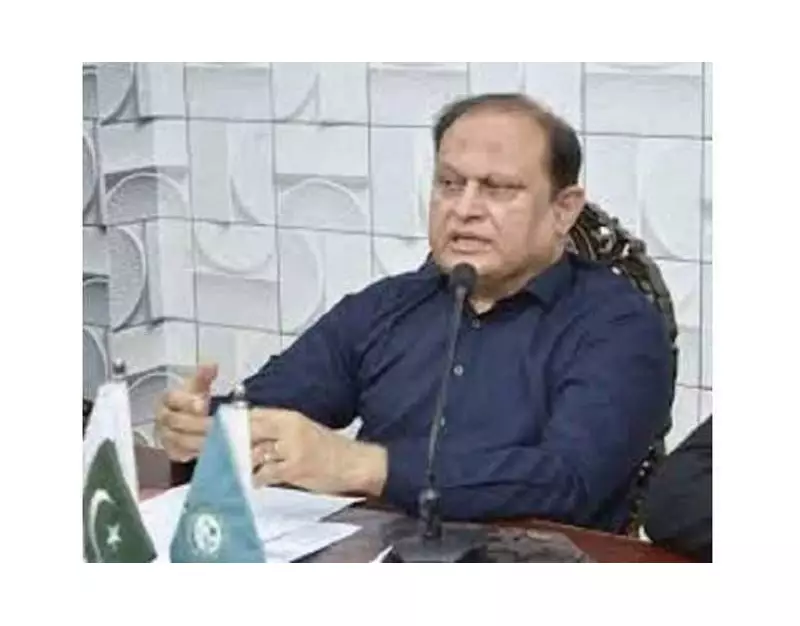
The President of the Hyderabad Chamber of Small Traders and Small Industry (HCSTSI) has raised a red flag over the management of Sindh's massive wheat subsidy program. Muhammad Saleem Memon has called for urgent reforms to ensure the government's relief actually benefits the common citizen.
Subsidy Discrepancy Sparks Concern
Memon expressed serious alarm over emerging details of the wheat subsidy and the proposed Food Pass Policy for the fiscal year 2025-26. He insisted that transparency, balance, and public interest must be the top priorities in the scheme's execution. The core of the issue lies in a significant price difference. Official data indicates the Sindh government supplies a 100-kg bag of subsidized wheat at about PKR 8,000. However, reports suggest the same wheat reaches flour mills from the market at approximately PKR 9,500 per bag.
A PKR 1,500 Gap Demands Investigation
This creates a glaring gap of roughly PKR 1,500 for every single bag. Muhammad Saleem Memon stressed that this discrepancy is not just a number but a symptom of deeper flaws. It underscores the urgent need for a comprehensive review of the entire wheat supply chain, from procurement to distribution. The concern is that this gap may indicate inefficiencies or leaks that prevent the full benefit of the subsidy from reaching the end consumer.

Massive Public Funds at Stake
The stakes are exceptionally high. Memon highlighted that the Sindh government has earmarked a colossal PKR 85 billion for the wheat subsidy program. This represents a monumental investment of public money. He emphasized that it is absolutely essential to implement robust mechanisms that guarantee this substantial financial outlay directly aids the general populace. The ultimate goal, he reiterated, is to ensure the subsidy reaches the intended consumers for whom it is designed, providing them genuine relief from soaring food prices.
Memon's statements put a spotlight on the critical need for accountability in Sindh's Food Pass Policy before its implementation for the 2025-26 cycle. The chamber's demand is clear: without transparent and balanced systems, the purpose of the multi-billion rupee subsidy is at risk of being undermined.