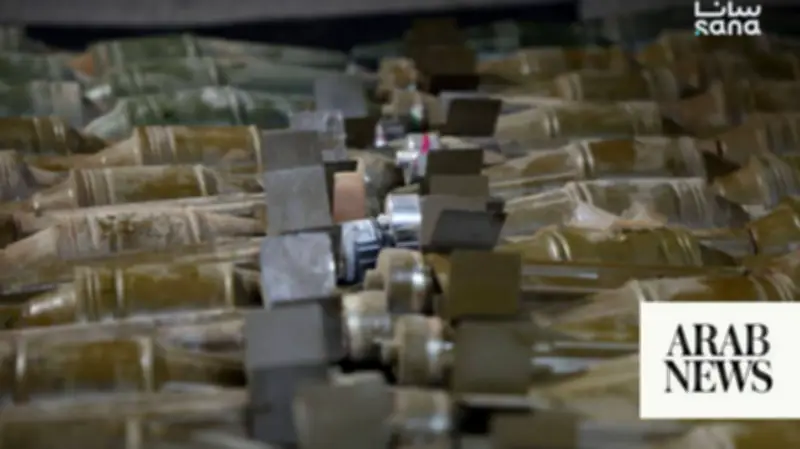
Syrian security forces have arrested an alleged Daesh explosives specialist in eastern Syria during a joint operation by the Interior Ministry and the General Intelligence Service, the ministry announced on June 22, 2026. The suspect, identified as Akram Saleh Al-Hamad, is accused of manufacturing explosives for Daesh operations in the country's eastern region.
Details of the arrest
The Interior Ministry, in a statement carried by the Syrian Arab News Agency (SANA), said preliminary investigations indicated that Al-Hamad was involved in producing improvised explosive devices and landmines used in attacks by the militant group. Information obtained from previously detained members of the same cell helped lead to his capture.
According to the ministry, Al-Hamad was linked to a motorcycle bomb attack in the city of Al-Bukamal, an explosive attack targeting a Syrian Arab Army vehicle, and the planting of a device intended to target a member of the Internal Security Forces. Security personnel seized ammunition, explosive belts, detonators, and other bomb-making materials during the operation.

Ongoing counterterrorism efforts
The arrest follows another operation in April 2026 in which Syrian authorities, working with the General Intelligence Service, detained members of a Daesh-affiliated cell in the Al-Safira area east of Aleppo. The Interior Ministry said these operations are part of ongoing efforts to track down terrorist groups and dismantle their networks across Syria.
Despite losing the last territory of its self-declared caliphate in Syria in 2019, Daesh continues to pose a security threat through sleeper cells operating mainly in eastern Syria and the vast Syrian Desert, or Badia, SANA reported. Analysts and Western officials estimate that between 1,500 and 2,500 Daesh fighters remain active in Syria and Iraq, while roughly 10,000 are being held in detention facilities guarded largely by the Kurdish-led Syrian Democratic Forces.
Persistent threat and risks
Security experts have repeatedly warned that the combination of political instability, remote desert safe havens, and the presence of thousands of detained militants continue to create opportunities for Daesh to regroup and launch attacks. The group has shifted from governing territory to conducting insurgent operations, relying on bombings, ambushes, and clandestine cells. Counterterrorism officials have also expressed concern over the possibility of prison breaks involving detained Daesh fighters, particularly at facilities in northeastern Syria that house thousands of high-risk detainees.