Ten days into the FIFA World Cup 2026, football's old hierarchy is facing its biggest challenge in decades. When FIFA expanded the World Cup from 32 to 48 teams, critics predicted mismatches and diluted prestige. Instead, North America has delivered the most diverse, competitive, and unpredictable World Cup ever staged. The traditional powers remain strong, but the gap between elite and emerging nations appears smaller than ever.
First Teams Through to Round of 32
Mexico became the first team to qualify after victories over South Africa and South Korea, confirming their status as one of the tournament's most impressive sides. The United States soon followed after defeating Paraguay and Australia, securing top spot in Group D with a match to spare. Germany also booked their place after overcoming Ivory Coast and producing a dominant performance against Curaçao.
Japan took a giant step toward qualification following a 4-0 demolition of Tunisia in the historic 1,000th World Cup match. Tunisia became one of the first teams eliminated, while the Samurai Blue announced themselves as serious contenders. Several other heavyweights including Brazil, England, France, Argentina, and Spain are strongly positioned to advance, though none have enjoyed entirely comfortable journeys.

Best Teams of the Tournament So Far
Germany have arguably been the most complete side, with ruthless attacking football, relentless pressing, and exceptional squad depth. England have also looked formidable, combining attacking flair with tournament experience. Brazil have steadily improved after a frustrating draw against Morocco, with Vinicius Junior emerging as a standout performer and Matheus Cunha's brace against Haiti highlighting their depth.
Among co-hosts, the United States have been one of the biggest success stories. Mauricio Pochettino's side has played with confidence, intensity, and tactical discipline, backed by enormous home crowds. Canada produced one of the most exciting performances with a stunning 6-0 demolition of Qatar, signaling a new era for Canadian football. Mexico continue to thrive under home pressure, transforming every match into a celebration of national pride.
Minnows Who Stole the Show
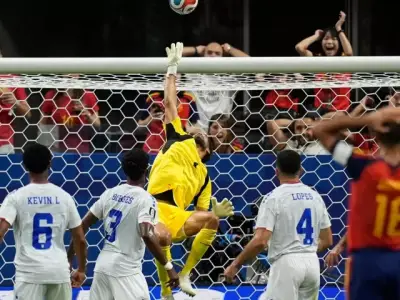
Cape Verde have become one of the stories of the tournament, earning worldwide admiration after frustrating Spain. DR Congo stunned observers with a fearless draw against Portugal. Egypt held Belgium. Curaçao earned respect by battling much stronger opposition. Haiti, despite elimination, won praise for their courage against significantly stronger opponents. These teams demonstrate why the expansion to 48 nations may become one of FIFA's most important decisions.
Record Crowds and Cultural Festival
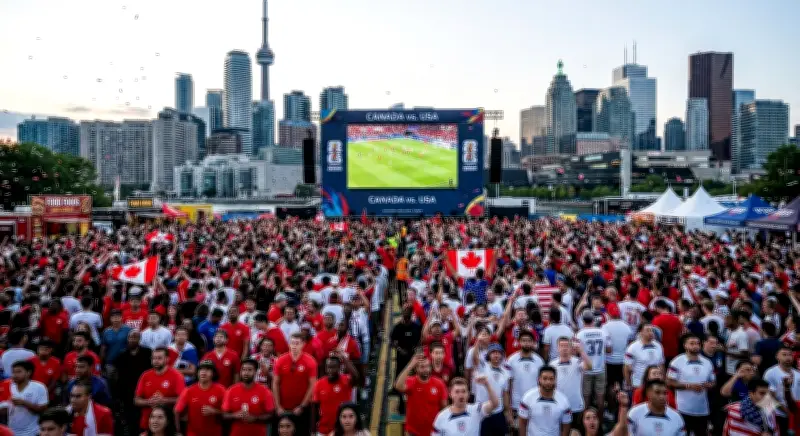
World Cup 2026 is rewriting attendance records. Stadiums from Mexico City's Estadio Azteca to Toronto, Vancouver, Dallas, Los Angeles, New York, Philadelphia, and Monterrey have been packed. Fan Festivals have become cities within cities, with thousands gathering hours before kickoff. In Toronto's waterfront zones, Mexico City, New York, Los Angeles, and Dallas, giant screens attract enormous crowds regardless of which teams are playing. The tournament has become a cultural festival as much as a sporting event.
Challenges for Fans
The vast geography of North America remains a talking point. Fans often face journeys of several thousand kilometres between matches, with expensive domestic flights, soaring hotel rates, and transportation costs stretching budgets. In the United States, congestion around suburban stadiums has frustrated fans. In Canada, accommodation prices in major host cities have risen sharply. In Mexico, intense summer temperatures test travelling supporters at afternoon kick-offs. Despite these concerns, enthusiasm remains overwhelming, with most supporters viewing the challenges as a price worth paying.

Why This World Cup Feels Different
The most important story is the globalisation of football. For decades, international football was dominated by a small group of nations from Europe and South America. Today, players from Africa, Asia, North America, Oceania, and the Caribbean are competing at higher levels than ever before. Investment in youth development, coaching, and infrastructure is producing tangible results. Spain cannot casually dismiss Cape Verde. Portugal cannot expect to overwhelm DR Congo. Belgium cannot take Egypt lightly. Every match is competitive, and every nation believes.
Verdict After Ten Days
The favourites remain formidable: Germany look powerful, England appear balanced, Brazil are improving, Argentina and France remain dangerous, and the United States, Mexico, and Canada are feeding off home support. Japan are emerging as a serious contender. But the greatest triumph is that the expanded tournament has not weakened football's biggest competition; it has strengthened it. Ten days into the largest World Cup ever staged, the dreamers are still dreaming, the giants are still fighting, and billions of fans are witnessing a tournament redefining what a World Cup can be. The old order has not fallen, but for the first time in a long time, it knows it is vulnerable.