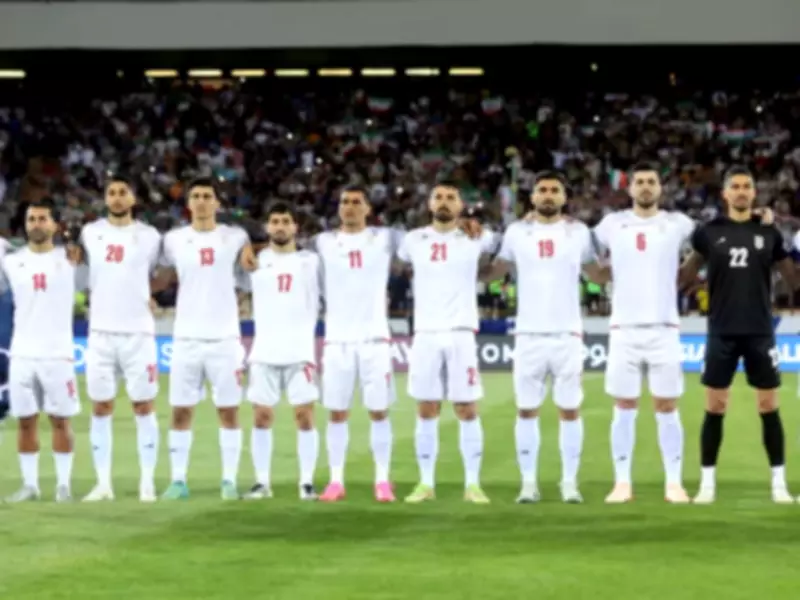
Iran's World Cup Withdrawal Threat Puts FIFA in a Bind Over Options
In a dramatic development that has sent shockwaves through the international football community, Iran has issued a serious threat to withdraw from the upcoming FIFA World Cup. This move, driven by escalating political tensions and mounting security concerns, has left FIFA scrambling to assess its options and prepare for potential disruptions to the prestigious tournament. The situation underscores the complex interplay between sports and global politics, raising urgent questions about contingency planning and the integrity of the event.
Background and Reasons for the Threat
The threat from Iran stems from a combination of diplomatic strains and internal pressures. Iranian officials have cited unresolved political disputes with host nations and other participating countries, which they argue create an unsafe and unwelcoming environment for their team. Additionally, there are reports of heightened security risks that have prompted Iran to reconsider its participation. This stance reflects broader geopolitical tensions that have increasingly spilled over into the sports arena, challenging FIFA's ability to maintain a neutral and inclusive platform.
Historically, Iran has been a competitive force in Asian football, with a strong record in World Cup qualifiers. Their potential absence would not only impact the tournament's competitive balance but also deprive fans of a team known for its passionate play and dedicated following. The threat has been met with concern from football authorities worldwide, who fear it could set a precedent for other nations to use sports as a political bargaining chip.

FIFA's Response and Contingency Plans
FIFA, the governing body of world football, is now actively pondering its options in response to Iran's withdrawal threat. Officials are reportedly in emergency discussions to evaluate the feasibility of proceeding without Iran and to identify potential replacements. Contingency plans may include inviting another national team from the Asian Football Confederation (AFC) or adjusting the tournament format to accommodate the change. However, such measures are fraught with logistical and competitive challenges, including tight scheduling and ensuring fair play.
Key considerations for FIFA include:
- Maintaining the tournament's integrity and competitive fairness.
- Addressing security concerns to reassure all participating nations.
- Navigating the political sensitivities without appearing to take sides.
- Ensuring minimal disruption to fans, broadcasters, and sponsors.
FIFA has emphasized its commitment to dialogue and diplomacy, urging Iran to reconsider and seeking to mediate the underlying issues. The organization's ability to manage this crisis will be closely watched, as it tests FIFA's governance and its role in global sports diplomacy.
Implications for International Sports
This incident highlights the growing trend of sports being entangled with political and security issues. In recent years, events like the World Cup have faced boycotts and protests over human rights, geopolitical conflicts, and other non-sporting matters. Iran's threat adds to this pattern, raising concerns about the future of international tournaments as neutral grounds for athletic competition. It also puts pressure on FIFA to develop more robust protocols for handling such disputes, potentially including clearer guidelines on participation and withdrawal.
For other teams and host nations, the situation serves as a reminder of the unpredictable nature of global events. It may prompt increased scrutiny of security arrangements and diplomatic efforts to ensure smooth participation. Ultimately, the outcome could influence how sports organizations balance their commercial interests with ethical and political responsibilities.

Looking Ahead
As the deadline for final team confirmations approaches, all eyes are on Iran and FIFA to see if a resolution can be reached. The football world is hoping for a diplomatic breakthrough that allows Iran to compete, preserving the tournament's diversity and spirit. However, if the withdrawal materializes, FIFA will need to act swiftly to implement its contingency plans, ensuring the World Cup proceeds with minimal hiccups. This episode underscores the delicate dance between sports and politics, with lasting implications for how such conflicts are managed in the future.