Netflix Confirms AI Recreation of Gene Wilder's Voice for Reality Competition
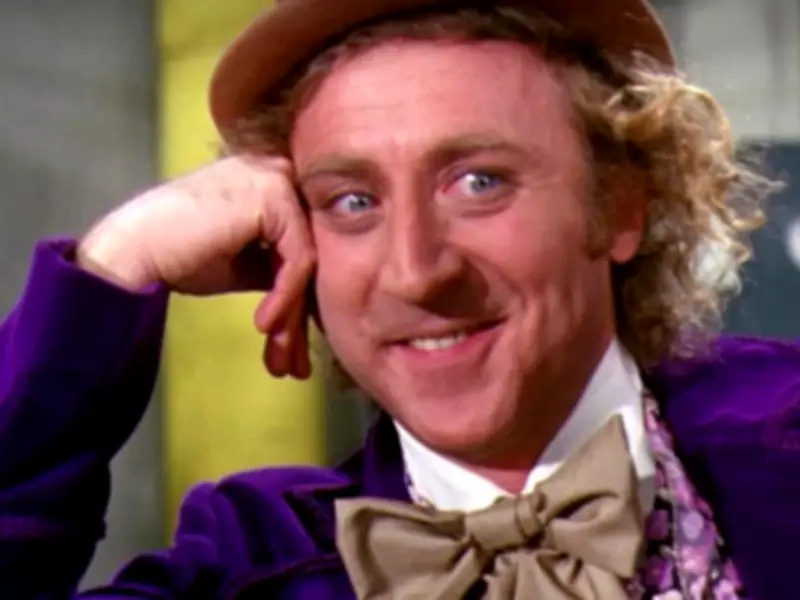
Netflix has ignited widespread debate after announcing it will use artificial intelligence to recreate the voice of the late Gene Wilder for its upcoming reality competition series Wonka's The Golden Ticket. The streaming platform revealed that the series will feature an AI-generated version of Wilder's distinctive voice, developed with permission from his estate. Wilder, who died in 2016, famously portrayed Willy Wonka in the 1971 film Willy Wonka & the Chocolate Factory, a performance widely regarded as one of cinema's most iconic. Netflix stated the production aims to honor his legacy while introducing a fresh competition inspired by Roald Dahl's classic story.
ElevenLabs Technology and Estate Approval
The AI audio company ElevenLabs has been employed to recreate the voice for the series. According to Netflix, Wonka's The Golden Ticket will place contestants inside a world inspired by the original tale, where they will face imaginative temptations and challenges before competing for a grand prize. The recreated narration is intended to evoke the spirit of Wilder's portrayal rather than replace it with a new performer. Karen B. Wilder, Gene Wilder's widow, publicly supported the project, stating she was delighted that the program celebrates the imagination and warmth her husband brought to the role. Her approval has become central to Netflix's defense of the decision.
Public Criticism and Social Media Backlash
Despite the estate's consent, the announcement quickly generated criticism across social media. Some viewers argued that iconic performances should remain untouched, even with permission granted. Several described the AI recreation as unnecessary, while others claimed it lacked the emotional quality that made Wilder's original performance so memorable. One common complaint centered on the sound of the recreated voice, with critics noting it still carried the artificial tone often associated with AI-generated speech. Others jokingly compared the announcement to the infamous 2024 Glasgow event known as Willy's Chocolate Experience, which became an internet sensation after failing to deliver the magical attraction advertised.

Broader Context of AI in Entertainment
The controversy arrives as entertainment companies continue exploring artificial intelligence for creative projects. Recent years have seen studios use AI and digital technology to preserve or recreate the voices of well-known performers, often with family or estate support. One notable example was the authorized recreation of James Earl Jones' voice for Darth Vader, allowing future productions to maintain the character's familiar sound. Experts note there are still no universally accepted standards governing audience responses to AI recreations of performers. Jocelyn Burnham, who researches artificial intelligence in arts and culture, suggested studios are effectively testing public opinion with each new project. She noted that beloved actors and iconic roles are likely to attract the greatest scrutiny because audiences have strong emotional connections to the original performances.