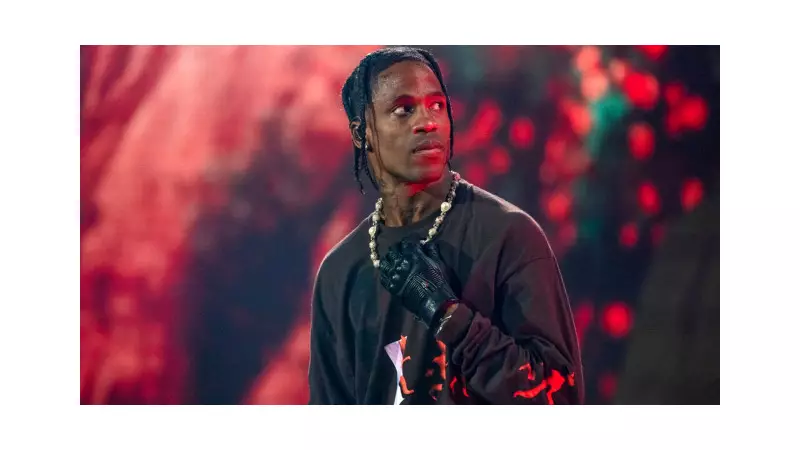
Renowned rapper and music producer Travis Scott has recently offered his thoughtful perspective on the growing influence of artificial intelligence, particularly concerning children's development. In a candid discussion about technology and learning, Scott revealed a firm personal boundary: he does not permit his own children to use AI tools during their current developmental stages.
Why Travis Scott Believes Early AI Exposure Can Be Harmful
Scott articulated a compelling argument that early reliance on artificial intelligence might actually hinder rather than enhance a child's cognitive growth. According to the artist, introducing AI prematurely can "compress" a child's ability to fully develop essential thinking skills. He emphasized that learning fundamentals through traditional, hands-on methods remains absolutely essential before incorporating advanced technological tools.
The Importance of Foundational Learning
In Scott's view, children must first understand how to think independently, reason through problems, and develop problem-solving capabilities on their own before turning to tools that automate these critical processes. He explained that without establishing this strong foundation, children may encounter significant difficulties when trying to judge whether AI-generated information is accurate or potentially misleading.

Scott elaborated further, suggesting that when technology performs most of the cognitive work, young users find it increasingly challenging to distinguish right from wrong or develop genuine confidence in their own decision-making abilities. For the artist, artificial intelligence should serve as a tool that enhances existing knowledge rather than becoming a shortcut that replaces the fundamental learning process altogether.
Broader Context of AI in Education
The rapper's comments emerge within a much larger conversation about artificial intelligence and its expanding role in both educational settings and everyday life. While numerous educators and parents recognize AI as a potentially powerful learning aid, others share Scott's concerns about overreliance, particularly for children who are still developing crucial critical thinking and creative abilities.
Scott's position aligns with a more cautious approach to emerging technologies, advocating for thoughtful balance rather than outright rejection. He has clarified that he is not fundamentally opposed to artificial intelligence as a concept, but firmly believes it should be introduced only after children have thoroughly mastered foundational skills through traditional learning methods.
The Path to Responsible AI Use
According to Scott's perspective, understanding the "physical and actual way of learning" first enables individuals to later utilize artificial intelligence more effectively and responsibly. This approach ensures that when children eventually engage with AI tools, they possess the necessary cognitive framework to evaluate, question, and properly contextualize the information these systems provide.
As ongoing debates surrounding artificial intelligence and childhood development continue to evolve, Scott's commentary highlights how public figures are increasingly contributing their voices to discussions about how technology should appropriately fit into the lives of the next generation. His stance represents a thoughtful middle ground in the conversation, acknowledging AI's potential while emphasizing the irreplaceable value of traditional cognitive development.