The European Union is leading a significant shift in consumer electronics design, mandating that most portable devices feature user-replaceable batteries by 2027. This move, rooted in two key regulations, aims to enhance product longevity, repairability, and recyclability, marking a major step for the right-to-repair movement.
The Regulatory Framework
In 2023, the EU agreed on two landmark pieces of legislation. Commission Regulation (EU) 2023/1670, already in force, applies specifically to smartphones and tablets. Meanwhile, Regulation (EU) 2023/1542, effective from February 18, 2027, covers nearly all other battery-powered tech, including headphones, e-readers, portable game consoles, and laptops. The core requirement is simple: users must be able to remove and replace batteries using basic tools or specialized tools provided free of charge. Compatible spare batteries must be available for at least five years.
Smartphones and tablets are exempt from the 2027 rule because they are already covered by the earlier regulation, which mandates that manufacturers supply spare parts—including batteries—for at least seven years. However, there is a crucial exception: if a smartphone battery retains 83% capacity after 500 cycles and 80% after 1,000 cycles, and the device has an IP67 rating, battery replacement can be limited to professionals. This means waterproof phones with durable batteries do not require user-replaceable batteries.

Industry Response and Early Adopters
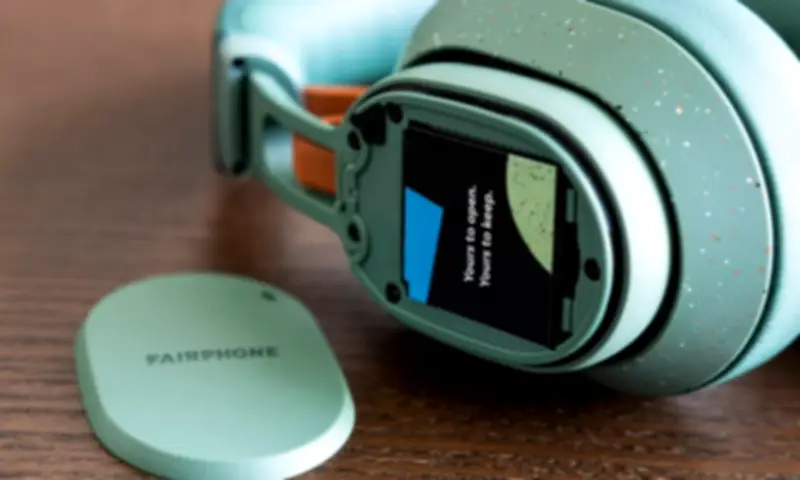
Manufacturers are already preparing. Over-ear headphones with replaceable batteries, once rare, are becoming more common. Fender's Mix headphones hide easy battery access under ear cushions, while Sennheiser's Momentum 5 allows replacement with a Phillips-head screwdriver. Fairphone has long championed repairability, with its Fairphone 6 and Fairbuds earbuds featuring user-replaceable batteries. Fairphone CEO Raymond van Eck stated, "Our current products already match and even exceed these upcoming requirements because we have focused entirely on repairability and longevity since day one."
More products are on the horizon. Code snippets suggest Amazon may introduce Kindle e-readers with replaceable batteries. Leaked images hint at an Xbox Elite 3 controller with a user-replaceable battery, and rumors persist about a Nintendo Switch 2 with a removable battery for the European market.
Challenges and Exemptions
Some devices are exempt, including certain medical devices and products designed for use in water-intensive environments, like swimming gadgets or electric toothbrushes. The EU is considering further exemptions for wearables such as smartwatches and fitness trackers, citing risks of battery damage during removal. However, Right to Repair Europe opposes these exemptions, pointing to the Pixel Watch 4's user-removable battery as proof it's feasible.
Wireless earbuds are included in the 2027 rules, posing a design challenge due to their miniaturization. A Futuresource report warns that meeting requirements may make earbuds larger and more expensive. Additionally, the law's interpretation of "commercially available tools" and "reasonable" spare part prices remains unclear, potentially requiring litigation to clarify.
Global Impact
While the EU's rules could reshape global tech design, there is a risk that manufacturers may create EU-specific versions or skip the European market altogether. Meta has reportedly delayed launching Ray-Ban Display smart glasses in Europe due to battery rules. However, Inés Alberico of Right to Repair Europe believes most companies will prefer global product designs to avoid complexity.
In the US, several states have right-to-repair laws, but they generally do not mandate repairability-focused design. Nonetheless, EU regulations may influence future US legislation. For now, the return of user-replaceable batteries is a significant win for consumers, though smartphones may remain an exception due to durability exemptions.