A 5.9-magnitude earthquake struck the Hindu Kush region of Afghanistan at 6:35pm PST on [date], sending light to moderate tremors across Islamabad, the Pothohar region of Punjab, and several districts of Khyber Pakhtunkhwa, according to the National Disaster Management Authority (NDMA). The NDMA’s initial assessment revealed that the earthquake originated at a depth of 178 kilometres, allowing it to be felt over a wide area despite relatively moderate surface shaking. No casualties or major infrastructure damage had been reported as of the latest update.
Seismic Origin and Tectonic Causes
Experts said the earthquake originated within the Hindu Kush intermediate depth seismic zone, one of the world’s most seismically active regions. The event was caused by the continued northward convergence of the Indian Plate beneath the Eurasian Plate, where deep tectonic deformation frequently generates intermediate focus earthquakes. The focal depth of 178 kilometres is characteristic of the Hindu Kush region, where deep earthquakes are common due to the subduction process.
Areas Affected and Intensity
The tremors were felt in Islamabad Capital Territory, Rawalpindi, Chakwal, and the Pothohar region of Punjab, as well as Abbottabad, Haripur, Mansehra, Shangla, and Swat in Khyber Pakhtunkhwa. According to the NDMA, the earthquake registered Modified Mercalli Intensity (MMI) IV, indicating light to moderate shaking that is generally felt indoors by many people but is unlikely to cause structural damage. The authority said the earthquake’s considerable focal depth of 178 kilometres enabled the tremors to spread across a broad geographical area while limiting the intensity of ground shaking at the surface.

NDMA Monitoring and Response
The NDMA said it was continuing to monitor the situation, adding that no immediate reports of casualties, injuries, or significant damage to infrastructure had been received. The authority is coordinating with provincial disaster management authorities to assess any aftereffects. The public has been advised to remain vigilant and follow safety protocols in case of aftershocks.
Separate Earthquakes in Balochistan
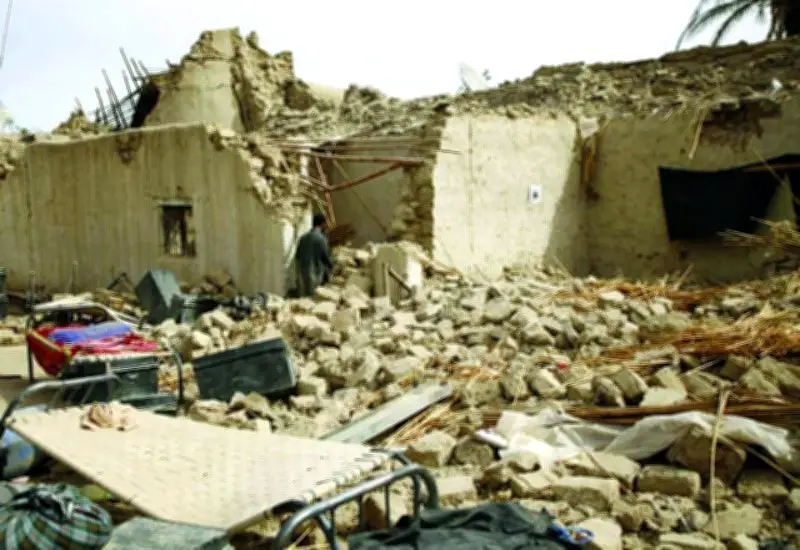
The Provincial Disaster Management Authority (PDMA) Balochistan has reported that two earthquakes struck Tehsil Kingri in Musakhail district on June 26 and 27, causing damage to residential structures and leaving several people injured. According to initial information received from the district administration, the first tremor on June 26 affected the village of Chaap, where approximately 80 to 90 houses were partially damaged and six people sustained minor injuries. The following day, another earthquake hit Tehsil Kingri, damaging 25 to 35 houses and injuring 10 to 13 individuals.
Damage Assessment and Relief Operations
Preliminary joint assessments indicate that in total, around 110 to 125 houses were partially damaged, while 18 to 19 people suffered minor injuries. No fatalities have been reported so far. Relief efforts were launched immediately in the affected areas. Medical camps have been established to provide healthcare to the injured and impacted communities. Families are being supplied with tents, bedding, kitchen sets, solar lights, gas cylinders, floor mats, mosquito nets, and other essential non-food items.
Coordination and Future Steps
The PDMA’s Provincial Emergency Operations Center (PEOC) is closely monitoring the situation in coordination with the district administration. A detailed survey is underway to assess the full extent of damages and to guide effective relief and rehabilitation operations. Relief Commissioner and Director General PDMA Balochistan, Jehanzaib Khan Gurzai, reaffirmed the authority’s commitment to supporting affected families and ensuring timely assistance. “We are ensuring that all necessary aid reaches the affected families without delay,” he said.