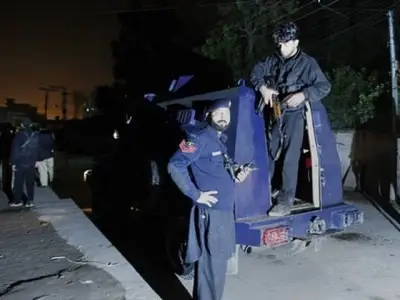
Muntaha Zahra, a seven-year-old girl, was killed on June 22 after walking to a local kirana store in Karkhana Bazaar, Sargodha. According to the FIR registered at City Police Station under sections 302, 376, 511, and 109 of the Pakistan Penal Code, her father Mohammad Naeem found her on the third floor of the building, with the main suspect adjusting his clothes. The accused allegedly threw a knife and escaped across rooftops. Naeem claims the shopkeeper, with whom he had quarreled two days earlier, orchestrated the murder as revenge. Police have detained four to five men, including the shop owner, and the prime suspect is on physical remand. CCTV footage reportedly captured Muntaha walking toward the shop shortly before her death. All allegations are yet to be proven in court.
Child Abuse Statistics: 9 Children Abused Daily in Pakistan
According to Sahil, a child protection organization, 3,630 cases of child abuse were reported across Pakistan in 2025, an 8% increase from the previous year. This averages to more than nine children abused every single day. The real figure is likely higher, as most families do not report incidents. In the majority of cases, the perpetrator is an acquaintance—a neighbor, relative, shopkeeper, or tutor. Muntaha's alleged attacker lived next door, highlighting the proximity of danger.
Systemic Failures in Enforcement and Conviction
The Zainab Alert, Response and Recovery Act, passed in 2020 after the murder of six-year-old Zainab in Kasur, remains poorly enforced. In Faisalabad alone, rights groups documented 663 child sexual abuse cases in 2025, involving nearly 1,000 suspects. However, the number of convictions by year-end was zero. This lack of accountability emboldens perpetrators. The state's failures include delayed FIRs, inadequate investigations, and non-functional child protection units. Forensic labs and trained investigators are underfunded, leading to weak cases that collapse on technicalities.

Cultural Blind Spots: Misplaced Caution and Silence
Society often places the burden of safety on girls, teaching them to be cautious, cover up, and avoid being alone. Boys, meanwhile, are rarely taught accountability for their impulses. This imbalance perpetuates abuse. The response to each tragedy follows a predictable pattern: viral outrage, political condolences, demands for public hanging, and then silence until the next case. To break the cycle, child safety education must be taught in schools, giving children the language to report abuse. Police must be held personally responsible for botched investigations, and fast-track courts must deliver timely verdicts.
What Is Needed: Concrete Steps for Change
Experts call for fast-track courts that actually deliver verdicts, not adjournments. Police accountability for delayed or flawed investigations is crucial. Real forensic capacity must be built to ensure convictions. Child safety education in schools can empower children to speak up. Society must stop treating each murder as an isolated tragedy and recognize the pattern as an emergency. Muntaha's death is not just a story about one depraved man; it is a verdict on societal failures, from the warnings we give girls to the silence we extend to boys, and a legal system that registers crimes but convicts almost no one.