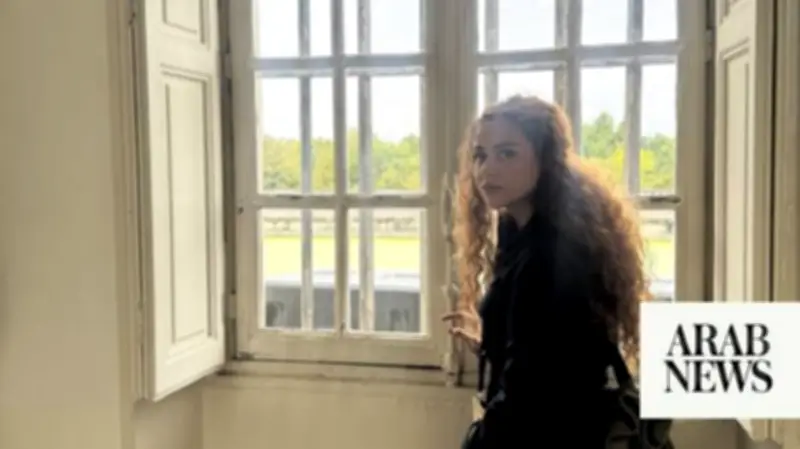
Saudi pianist and composer Abeer Balubaid recently won the AlUla Music Competition, and her winning entry, 'The Passage of Light,' now welcomes visitors as they enter the AlUla site. Launched by Arts AlUla, the competition aimed to celebrate and support musical talent within the Kingdom, inviting Saudi citizens and residents to submit original pieces lasting between 30 and 60 seconds, inspired by AlUla's unique nature, heritage, and cultural identity.
Personal Significance of the Piece
Balubaid told Arab News that the piece holds deep personal meaning. 'This piece is very special to me. I wrote the melody in 2019, when my father passed away. You can feel the transitions of emotions in the piece,' she said. Beyond honoring her father, 'The Passage of Light' was also inspired by the profound social transformation in the Kingdom since 2018. Balubaid turned to music to express emotions when words failed.
'You know, change is not an easy thing. I feel that in the song's beginning, there is a feeling that there is an echo, and uncertainty. And then it transforms into sadness, then into hope. I wish I knew how to describe it with words,' she said. 'I don't know how to speak the way I play. And it developed with me. This melody just wouldn't leave me, even though I have other things that I've composed. This one refused to leave my soul.'

From Architecture to Music
Balubaid has been playing professionally only since 2023, when she left architecture to join the Saudi National Orchestra. 'It was a very, very dangerous step, but I did it,' she said. 'Since 2023, I've been surrounded every day by the oud, the violin, people singing; this has become my daily life.' She had been composing for some time, finding that structuring music came naturally. She sees a clear overlap between designing a building and composing a symphony.
When she heard about the AlUla Music Competition, she immersed herself in research, studying the area's people, landscape, and culture. 'I was thinking about the energy of AlUla and its mountains, sculptures, beauty, depth, and human stories. I felt that it's very deep,' she said.
Evolution of the Composition
Step by step, she wove new instruments and layers into her original 2019 piece. 'First, it was piano. Then, it was only violin and cello and flute. Finally, it became piano, oud, and the string instruments. It's about AlUla's history. You need to make people feel the energy of AlUla before they enter,' she said. 'I felt right away that the piece is very suitable for AlUla.'
Composing the work was 'a very beautiful experience' for her. 'You know that feeling when you dive deep into something? I was immersed, and I woke up to find myself. These pure music pieces that strike you like that, they come from a strange, misunderstood place within a person — from accumulations that weren't expressed,' she said. 'It was meant to be that this music is honored, and my fatigue is honored, and my effort honored.'
Cultural Identity and Freedom
The composition holds a deep sense of cultural identity for Balubaid, particularly highlighted by the introduction of the oud. 'It takes on that Hijaz feeling the moment the oud enters,' she said. 'I feel the piece really holds a lot of my culture, and has a great sense of freedom. I was very free in the music, to the point that, when I was trying to write the piano, there was no tempo. It was random. Even when I came to record it, they couldn't fix a tempo. It was a very pure feeling — very unique, just coming out from my body.'
Hearing her music play at the awards ceremony was an intensely emotional milestone for Balubaid. It wasn't just the thrill of winning; it was seeing a memory of her beloved father extended to — and welcoming — the world.