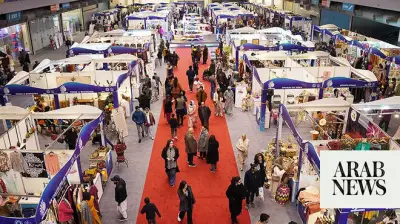
A Rs570 million grant has been approved for the restoration of infrastructure in small industrial estates, a move expected to create more employment opportunities for women in Pakistan. This development comes amid ongoing discussions about gender equality in the country, where despite some progress, significant barriers remain.
Current State of Gender Equality
Women in Pakistan today have more opportunities for education, employment, and leadership than in the past. However, the reality is that gender equality is still far from achieved. Women and girls continue to face gender-based violence, workplace harassment, lower pay compared to men, underrepresentation in leadership, and unequal access to education.
According to Aliza Ali from Rawalpindi, many girls still struggle to receive a good education and find employment. Women are often expected to work while also taking care of their homes and families without support, which is unfair. Reports of abuse and harassment persist, highlighting a gap between legal protections and actual implementation.

Government Initiatives and Investment
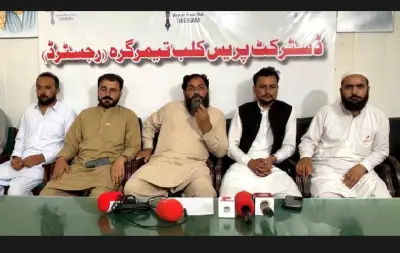
The Rs570 million grant for small industrial estate infrastructure restoration is part of efforts to boost economic opportunities. The Collectorate of Customs (Enforcement) in Hyderabad has also recorded strong operational performance, contributing to the business environment. Such investments are crucial for creating jobs, especially for women who face higher unemployment rates.
Barriers to Equality
Despite legal frameworks, enforcement remains weak. Many women are unaware of their rights, and societal attitudes often discourage women from pursuing careers or reporting abuse. The education system still shows gender disparities, with girls in rural areas particularly disadvantaged.
The Path Forward
Achieving true gender equality requires more than laws; it demands a change in attitudes and beliefs. Families, schools, media, and workplaces must ensure equal opportunities. Girls should be able to attend school and pursue careers without discrimination, and boys must be taught to respect women from a young age.
The government should enforce laws protecting women from violence and harassment, invest in girls' education, create more employment opportunities, and ensure access to healthcare. Increasing women's representation in leadership positions can help address gender-related issues more effectively.
Gender equality is essential for a just society. While it will take time and effort, the benefits are immense. With initiatives like the Rs570 million grant, Pakistan is taking steps in the right direction, but sustained commitment is needed to close the gap between promise and reality.