Pakistan Faces Severe Climate Impacts Despite Minimal Emissions
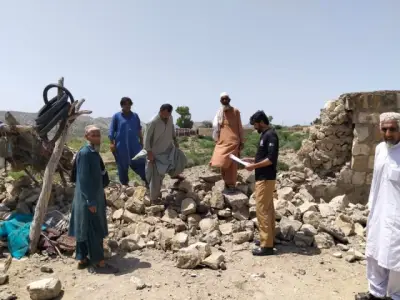
Pakistan is among the countries most affected by climate change, despite contributing only a minimal share of global greenhouse gas emissions. In recent years, the country has experienced extreme weather events, including severe heatwaves, unpredictable rainfall, floods, and droughts. These devastating floods have caused enormous losses of life, destroyed homes, damaged crops, and ruined infrastructure.
Health Risks and Water Security Threats
Rising temperatures are increasing health risks such as heatstroke and dehydration, particularly among vulnerable communities. The rapid melting of glaciers in northern Pakistan is another major concern. This increases the risk of flooding while also threatening future water security.
Agriculture Economy Under Pressure
Declining crop yields and erratic weather patterns are having a detrimental impact on Pakistan’s agriculture-based economy. Immediate action is needed to address this challenge.

Government and Public Must Act
The government should promote afforestation, invest in renewable energy initiatives such as solar and wind power, and strictly enforce environmental regulations. Public awareness campaigns should also be launched to encourage citizens to play their part in protecting the environment.
Global warming is no longer a future threat; it is already affecting Pakistan today. If timely action is not taken, its consequences will become even more severe for future generations.