The Pakistan Meteorological Department (PMD) has announced that the monsoon season will commence in the country from July 1, but Sindh province, including Karachi, is unlikely to receive any rainfall before July 5. PMD spokesperson Anjum Nazir stated that the monsoon system will first affect northeastern regions such as Punjab and Kashmir, with rainfall also expected in northern areas and northeastern Punjab starting July 1.
No Immediate Monsoon for Sindh
According to Nazir, there is no likelihood of a monsoon system reaching Sindh in the coming days. He noted that a low-pressure system developing over the Bay of Bengal may influence weather conditions in Sindh, including Karachi, which could raise the chances of rain later. However, the spokesperson added that several parts of Sindh, including Karachi, are expected to receive below-normal rainfall during the upcoming monsoon season.
Temperature and Rainfall Outlook
The forecast came during a month in which the PMD expects above-normal mean temperatures nationwide. The Met Office has indicated that warmer-than-normal conditions are particularly likely over southern regions, stretching from eastern Balochistan and western Sindh to central Punjab. PMD data for May showed Sindh received a mere 0.3 millimetres of rainfall, which is 91.3% below its 1991–2020 normal of 3.1 millimetres. The province's mean temperature for May was 35.2°C, or 1.0°C above normal.

June and Monsoon Season Predictions
For June, the department expects near-normal to slightly below-normal rainfall across the country. Its probabilistic outlook stated that near-normal rainfall probabilities dominate across southern regions, including much of Sindh, although rainfall could vary considerably from place to place. In its monthly outlook, the PMD warned that above-normal temperatures could increase the potential for heat spikes and prolonged heatwave conditions, especially across the plain areas of Sindh, Punjab, and Balochistan. Below-normal rainfall could make extended heat-like conditions more likely in these regions.
Risk of Urban Flooding Despite Below-Normal Rains
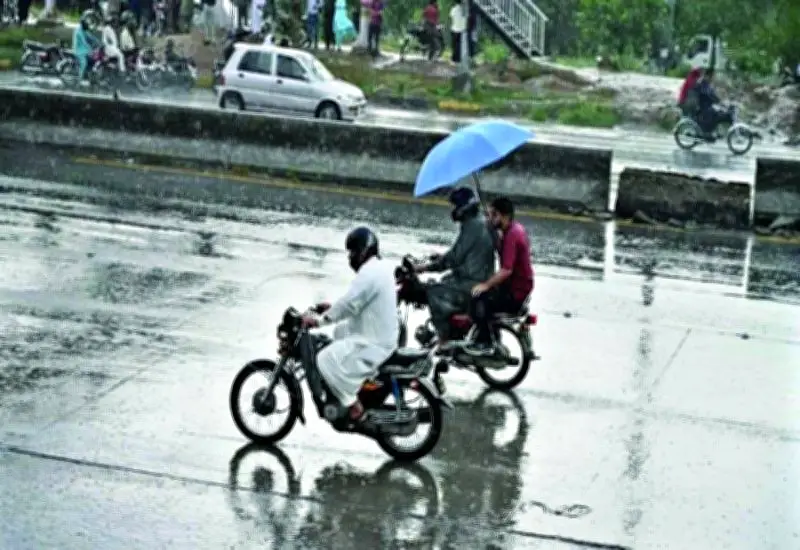
The department also cautioned that isolated heavy downpours could still trigger localised urban flooding in major cities, particularly in poorly drained and low-lying areas, despite the expectation of below-normal rainfall overall. This warning highlights the need for preparedness in urban centers like Karachi, where drainage systems may be inadequate to handle sudden heavy rains.