Pottery workshops, cooking classes, candle-making sessions and escape rooms are replacing cafes and restaurants as the go-to social outing for a growing number of Saudis, reflecting changing leisure habits as experience-based businesses continue to expand across the Kingdom.
Shift from Passive to Active Entertainment
Rather than simply meeting over coffee, many groups of friends are choosing activities where making, creating and solving problems become part of the outing itself. The businesses themselves are diverse, but the idea behind them is the same: Consumers are increasingly paying for participation rather than passive entertainment.
The trend comes as Saudi Arabia continues expanding cultural, recreational and entertainment opportunities under Vision 2030. Through the Quality of Life Program, the Kingdom aims to improve quality of life by increasing participation in cultural and leisure activities while supporting private-sector investment in these areas.

Hawi Platform and Hobby Clubs
One of its initiatives, the Hawi platform, encourages hobby communities and shared-interest clubs across the Kingdom. According to the program’s latest annual report, Saudi Arabia has 1,145 registered hobby clubs spanning more than 215 hobbies, with a target of reaching 6,000 clubs by 2030.
For Bayan Al-Ahmadi, trying new workshops has become part of her social routine. “I’ve tried pottery, candle making, painting and several DIY workshops,” she said. “Every few weeks, there’s something different to experience.” She rarely signs up because she needs the item she gets to take home. “I don’t need another candle or another painted mug,” she said. “The product is almost an excuse. The real reason is trying something different.”
Changing Social Dynamics
She said outings with friends have gradually shifted away from traditional cafe visits. “A cafe used to be our automatic plan,” she said. “Now someone sends a workshop link in the group chat, and that becomes our weekend. It feels more memorable because you’re actually doing something together.”
Businesses have quickly adapted to that demand. Community spaces such as Tarfay in Alkhobar have built much of their programming around interactive activities, hosting workshops that range from candle making and cake decorating to pottery painting, resin art, floral arrangements and handmade crafts. Similar concepts have expanded across Riyadh and Jeddah as venues move beyond the traditional cafe model and create spaces where customers actively participate rather than simply consume.
Escape Rooms and Shared Experiences
For 24-year-old Nora Al-Dosari, the appeal was less about learning a skill than changing her routine. “There was a period where my life was basically work, home and scrolling,” she said. “I realized I wasn’t really doing anything outside of that.” Joining workshops gradually changed that. “I signed up for multiple workshops at Tarfay, and they gave me a reason to leave the house and meet people,” she said. “You end up talking to strangers, laughing with friends and spending a couple of hours doing something that doesn’t involve looking at a screen.”
She believes that explains why many people return. “Most people aren’t trying to become artists,” she said. “They’re looking for an experience they can share.” The same shift is visible beyond creative workshops. Escape rooms have become another popular alternative to traditional gatherings, encouraging groups to solve problems, work together and interact rather than simply sit around a table. “We’ve started booking escape rooms instead of some of our usual outings,” Al-Dosari said. “Everyone has to participate, and afterward you actually have something to talk about.”
Mindfulness and Personal Fulfillment
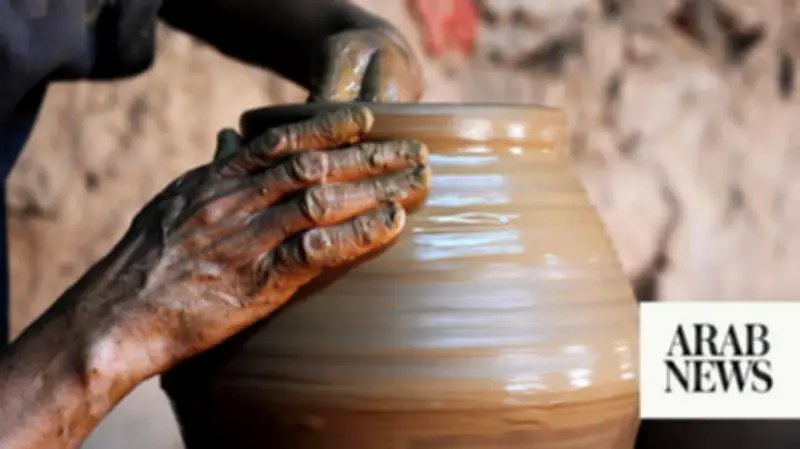
For Ghada Al-Tamimi, the workshops offered something she hadn’t expected: a reason to slow down and spend more time outside the house. “I signed up because I wanted to try something different,” she said. “I didn’t expect it to become something I looked forward to every week.” Al-Tamimi now regularly attends pottery workshops at Kleos Ceramics Studio in Dammam. “For two hours, I’m completely focused on what I’m making,” she said. “I’m not thinking about work, notifications or everything else happening around me.”

The ceramic cup she made during one of her first sessions still sits at home. “It isn’t perfect, and I could have bought a nicer one for much less,” she said. “But that’s not really what I paid for. I paid for the experience of making it.”
Role of Social Media
Social media has undoubtedly helped accelerate the popularity of activity-based businesses. Videos of pottery workshops, cake decorating and candle making regularly attract millions of views on TikTok and Instagram, introducing new audiences to venues they might never have discovered otherwise. Participants, however, say the appeal extends well beyond creating content. “The first time, you might go because you saw it online,” Al-Ahmadi said. “After that, you go because you genuinely enjoy the experience.”
A few years ago, a night out usually meant deciding where to eat or which cafe to visit. Now, people are paying for the conversations, the memories and the experience of creating something together.