Nearly 25 million children in Pakistan are out of school, the second-highest number globally, and among those who attend, many arrive hungry due to poverty or food insecurity. Hunger reduces concentration, weakens memory, and affects classroom participation. Simultaneously, Pakistan faces a severe nutrition crisis: according to the National Nutrition Survey (2018), nearly 40% of children suffer from stunting, and millions experience deficiencies in essential vitamins and minerals such as iron, vitamin A, zinc, and iodine. These "hidden hunger" deficiencies impair physical growth, brain development, immunity, and future productivity.
The Global Impact of School Feeding
School meal programmes have proven to be one of the smartest investments governments can make. They improve children's health, increase school attendance, enhance learning outcomes, and support local economies. A nutritious meal at school encourages enrolment and retention, reduces absenteeism, improves concentration, and helps children perform better academically. For families living in poverty, school meals reduce household food expenses and encourage parents to prioritise education over child labour.
Many countries demonstrate the impact of school feeding. In Japan, school lunches are considered an essential part of education, with balanced meals prepared according to nutritional standards, contributing to better health and low childhood obesity rates. Finland has provided free school meals for decades, ensuring every child receives a nutritious lunch regardless of family income, supporting educational equity and lifelong healthy eating habits. Across Africa, countries such as Ghana, Kenya, and Rwanda have introduced home-grown school feeding programmes that purchase food from local farmers, improving children's nutrition and school attendance while creating employment and strengthening local food systems.

Transforming Pakistan's Future
For Pakistan, the potential benefits of school meals are significant. First, they can bring more children into classrooms, especially in rural areas and marginalised communities where attendance remains low. Second, meals prepared using fortified wheat flour, rice, edible oil, milk, pulses, fruits, and vegetables can address micronutrient deficiencies while supporting healthy development. Third, girls benefit enormously: families are more willing to send daughters to school when meals are provided, contributing to delayed child marriage, improved health, and greater economic opportunities.
Fourth, school meal programmes stimulate local economies by purchasing food from local farmers, women's cooperatives, and small enterprises. Linking school meals with climate-smart agriculture can strengthen food security and promote sustainable farming. Finally, during economic hardship, natural disasters, or floods, school meal programmes provide an essential safety net that protects vulnerable children from hunger and malnutrition while allowing education to continue.
Building on Past Successes
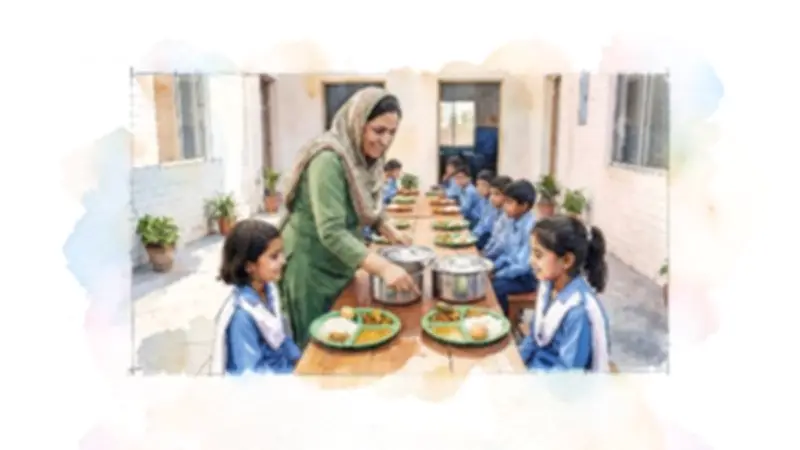
Pakistan has taken encouraging first steps. Several provinces have piloted school feeding initiatives, including milk distribution and hot meal programmes. One of the most successful initiatives was the Tawana Pakistan Project (2002–2005), a joint programme of the Government of Pakistan, Pakistan Bait-ul-Mal, and Aga Khan University. The project targeted girls in government primary schools across some of the poorest districts. Every school day, girls received a freshly prepared, nutritious lunch made from locally available foods. Mothers' committees planned balanced menus, purchased ingredients, cooked meals, and monitored quality. The programme also included growth monitoring, nutrition education, deworming, and micronutrient supplementation. Despite its success, the initiative was discontinued due to administrative, financial, and coordination challenges.

The way forward requires collaboration among federal and provincial governments, development partners, civil society, and the private sector. Pakistan should establish provincial school meal frameworks with clear nutritional standards, prioritise fortified foods, strengthen food safety systems, develop sustainable financing mechanisms, and encourage local procurement. School feeding should be integrated with health services such as deworming, nutrition education, clean drinking water, and hygiene promotion to maximise impact.
A simple plate of fortified roti, rice, lentils, vegetables, milk, or eggs may appear modest, but its impact extends far beyond the classroom. It nourishes young minds, improves educational achievement, reduces inequality, supports farming communities, and contributes to long-term economic growth. Investing in school meals is an investment in Pakistan's future, building a healthier, more educated, and more prosperous generation capable of driving sustainable national development.