The Economic Coordination Committee (ECC) on Tuesday overruled objections raised by Investment Minister Qaiser Sheikh, who had opposed the 30-year lease extension for the Engro Vopak Terminal by declaring it a violation of public procurement rules.
ECC Reinforces Decision
Headed by Finance Minister Muhammad Aurangzeb, the ECC reinforced its June 5 decision to grant a 30-year extension in lease to Engro Vopak Terminal Limited (EVTL), according to officials. The ECC again took up the matter after Sheikh complained to the finance minister last week about ignoring his objections.
The investment minister also raised the matter in the federal cabinet when the ECC minutes were placed before it for ratification. To satisfy the investment minister, the ECC decided to hold an inquiry to determine the reasons for not conducting a competitive process 10 years before the expiry of the current 30-year lease terms of the terminal, said the officials.

Background of the Lease Deal
According to the 1996 deal, the government was required to begin negotiations 10 years before the expiry of the deal. In early June, the ECC was informed that, as per the original agreement, negotiations for any further extension in the lease had to be started in 2016. The cabinet body was further informed that the Port Qasim Authority (PQA) did start the negotiations but could not reach a consensus, and these discussions remained inconclusive.
The PQA board resolved in 2021 that negotiations were over and no extension could be granted. In 2021, the PQA board had directed the initiation of a competitive process through the hiring of consultants at least three years before the expiry of the lease. The ECC resolved that since the existing contract was expiring this week, there was no other option but to grant a further extension in the lease.
Legal Cover and Objections
The Law Division informed the ECC that the extension was not illegal and the Special Investment Facilitation Council (SIFC) law provided legal cover for such an extension. In a letter to the ECC chairman, Sheikh had also registered a protest over not "recording" his views against the ECC's decision to grant a 30-year lease extension without competitive bidding.
The Cabinet Division has a non-attributable policy for recording minutes, and Sheikh's observations could not be recorded with his name, said Aurangzeb while responding to a question by The Express Tribune.
Details of the Original Agreement
The PQA had signed the build-operate-transfer (BOT) deal with EVTL in 1996, and under the BOT model, the ownership of the asset had to remain with the PQA. The official record showed that the company submitted an unsolicited proposal (USP) in 2022, but the PQA in-house committee concluded that EVTL's proposal was "not unique and innovative; thus, it does not fall within rule 37(A) of the Public Procurement Rules, 2004".
Sheikh had stated that "the unsolicited proposal (of EVTL) fails to meet the threshold of unique and innovative under Rule 2(1)(ka) and Rule 37-A of the PPRA Rules, 2004". He further said the extension was "against rules and this will create monopoly and damage to the promotion of petrochemical industries in the country". This extension for a further 30 years without competitive bidding is opposed and unacceptable, Sheikh stated.
Addressing Monopoly Concerns
To address the monopoly issue, the ECC directed the authorities to encourage the private sector to also establish their terminals. The reasons the ECC recorded for granting the extension had earlier been ruled out by the investment minister. Sheikh had said that the subsequent reopening of negotiations through amendments to Article 3.26 of the Implementation Agreement and Article 3.13 of the Supplemental Implementation Agreement under Article 18.1 of the Implementation Agreement constituted a circumvention of open competitive bidding, thereby conferring an undue advantage upon the incumbent concessionaire through the grant of a further 30-year term.
Importance of the Terminal
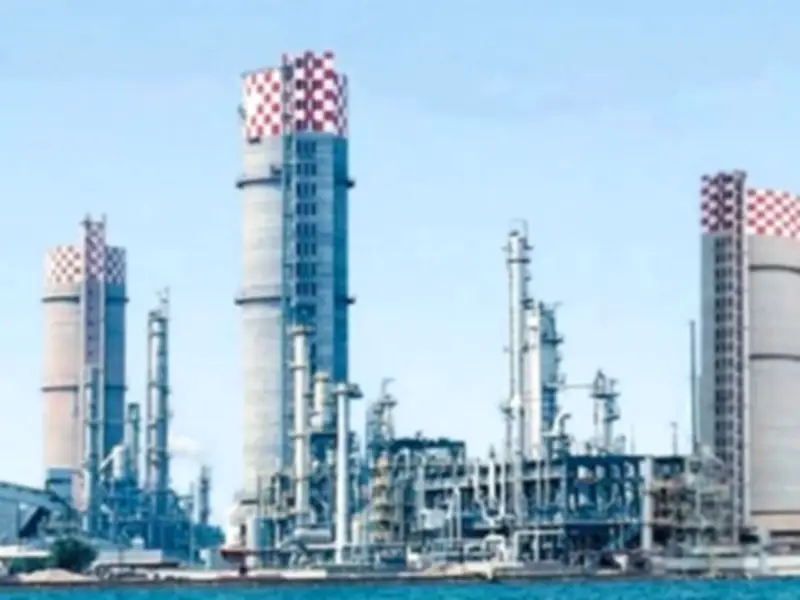
The EVTL terminal handles over 60% of Pakistan's bulk chemical imports and approximately 55% of its marine liquefied petroleum gas (LPG) imports. Its operations are credited with saving the national exchequer millions of dollars annually by facilitating downstream petrochemical investments.