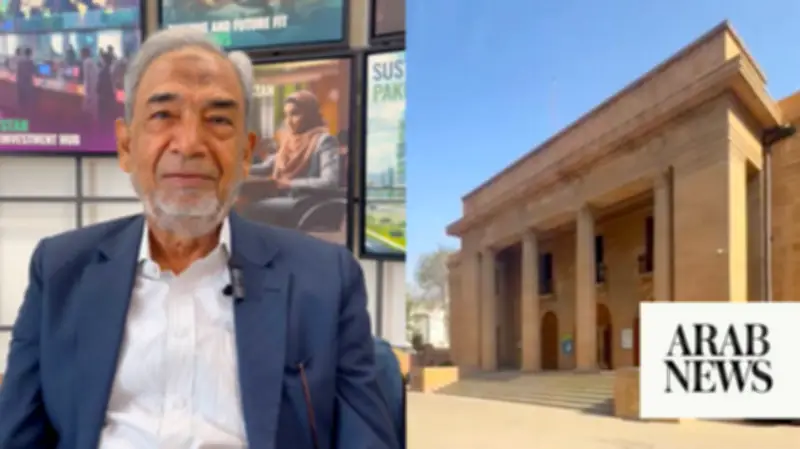
Foreign investors in Pakistan are urging the government to implement targeted tax relief for manufacturers in the upcoming federal budget, as regional tensions in the Middle East continue to impact business operations. The Overseas Investors Chamber of Commerce and Industry (OICCI), which represents around 200 major foreign investors including multinationals like Citibank, Coca-Cola, and Toyota, made the recommendation during an exclusive interview with Arab News.
Tax Relief Recommendations
OICCI Chief Executive and Secretary General M Abdul Aleem highlighted that member companies contribute approximately one-third of Pakistan's total tax revenue. He pointed to measures adopted by countries such as Turkey and Sri Lanka as examples. Turkey recently halved its corporate tax rate for certified manufacturing and agricultural companies from 25 percent to 12.5 percent to support industrial survival. While OICCI has not requested such a drastic reduction, Aleem suggested a one to two percent decrease could be considered.
Gradual Reduction Proposed
The chamber has proposed a gradual reduction in both super tax and corporate tax rates. The super tax, a three percent levy introduced in 2022 as a temporary measure on high earnings, has continued beyond its initial two-year period. OICCI recommends reducing it by one percent annually over three years. Similarly, they suggest cutting the corporate tax rate from 29 percent to 25 percent through yearly one-percentage-point reductions.

Relief for Salaried Workers
Aleem also called for tax relief for salaried individuals, noting that the maximum tax rate on salaries has reached 35 percent after increases in the last two years. OICCI proposes reducing the top salary tax rate to 25 percent and doubling the annual tax-free income threshold from Rs600,000 ($2,155) to Rs1.2 million ($4,309).
Impact of Regional Tensions
The ongoing US-Iran conflict is affecting businesses across the region, disrupting trade routes and creating uncertainty around strategic shipping lanes such as the Strait of Hormuz. These factors complicate imports and exports, particularly for Pakistan, which relies heavily on fuel imports. Aleem emphasized that the biggest challenge is ensuring smooth business operations, and he urged the government to maintain a rational tax regime to allow long-term investment.
Budget Context
The federal budget for fiscal year 2026-27 is scheduled to be announced on June 10. Businesses understand the constraints under the $7 billion International Monetary Fund (IMF) program but seek a more competitive and predictable tax environment. OICCI has left it to the government to find creative solutions to economic challenges, stressing the need for rationalization of tax rates to sustainable levels.